Web 2.0
Internet history covering the Web 2.0 period, roughly between 2004-2012. Including the serialization of my Web 2.0 memoir: Bubble Blog: From Outsider to Insider in Silicon Valley's Web 2.0 Revolution.
-
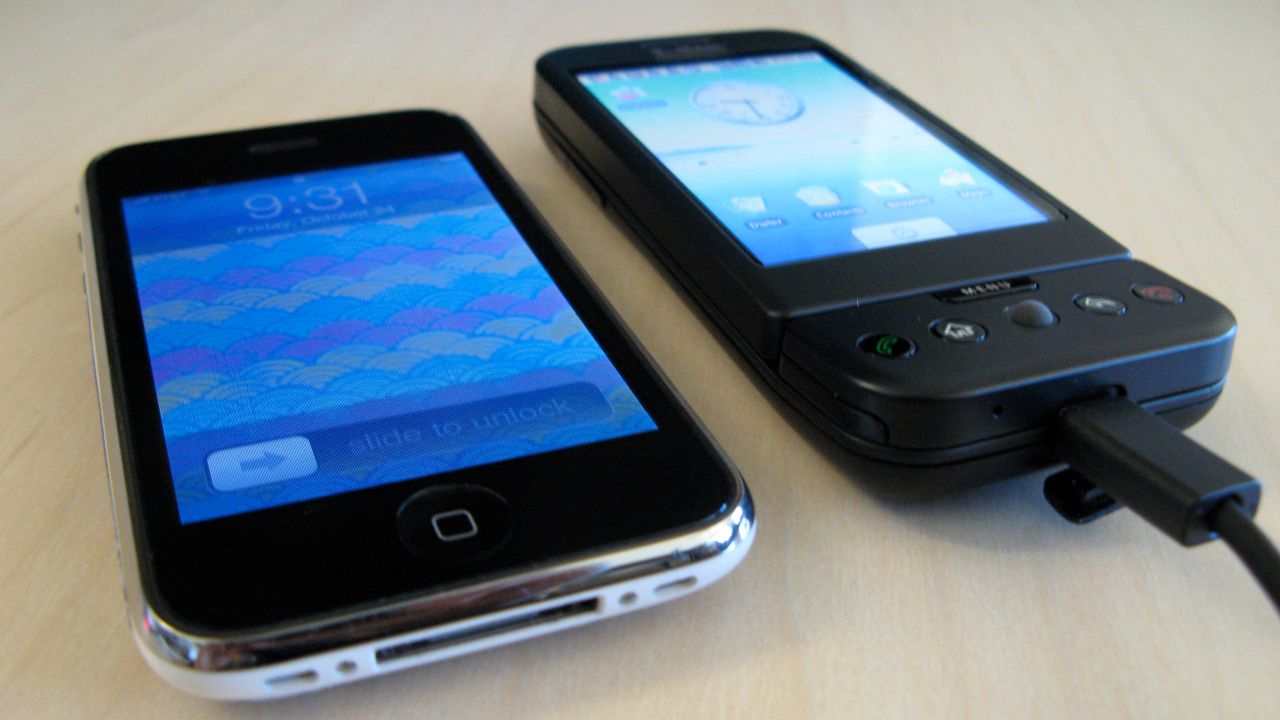
What the Internet Was Like in 2008
The launch of app stores by Apple and Google shakes up the web ecosystem in 2008 — now there are potential gatekeepers. Although Google also launches its Chrome browser, so it covers all bases.
-
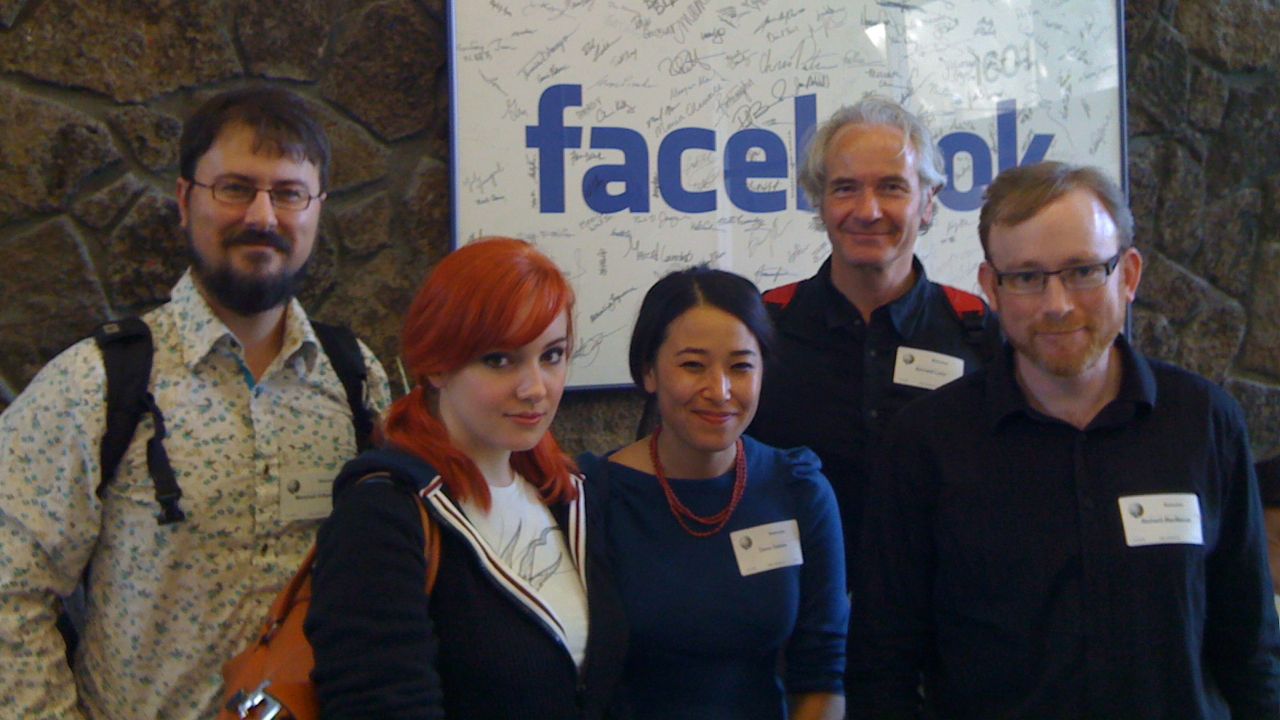
Team RWW in Silicon Valley and a Tense Meeting With My COO
The day after our first conference in October 2009, the ReadWriteWeb bloggers socialise at a Palo Alto bar. It's not all fun and games though, because I need to make some changes at RWW.
-
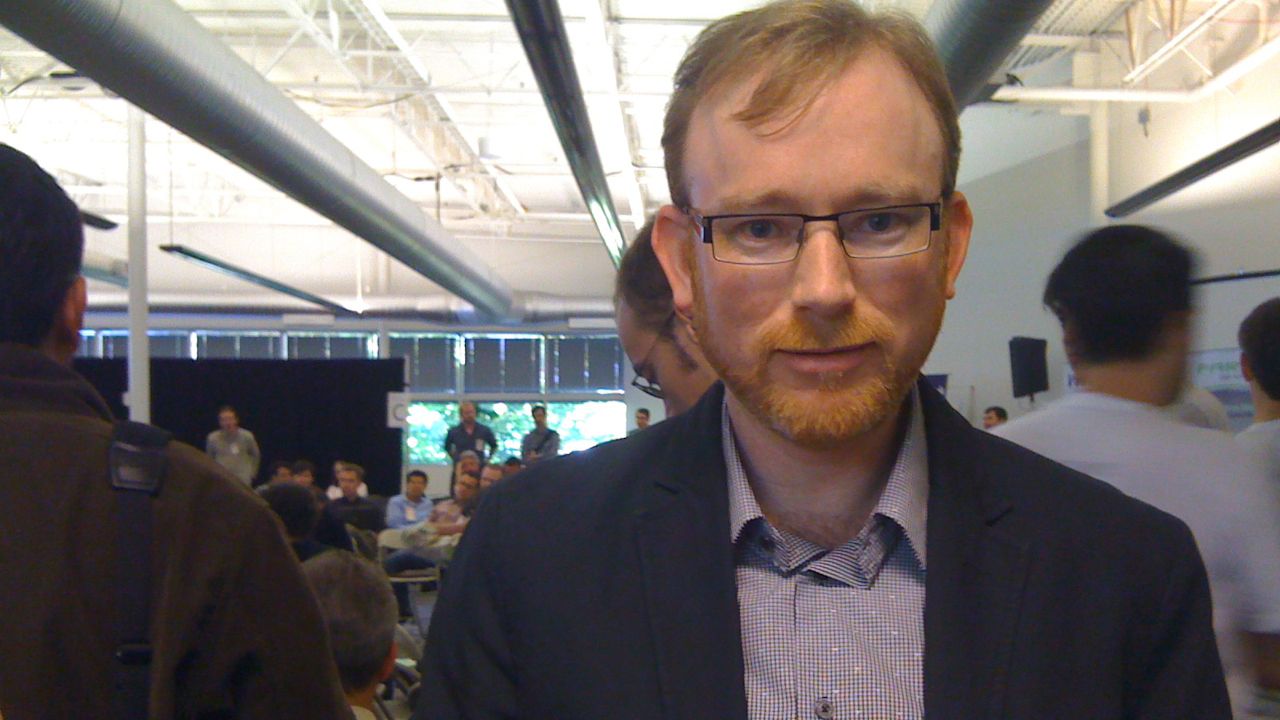
The ReadWrite Real-Time Web Summit, October 2009
It's a sunny fall day in 2009 and ReadWriteWeb is holding its first ever event, a one-day 'unconference' at the beautiful Computer History Museum in Mountain View, Silicon Valley.
-
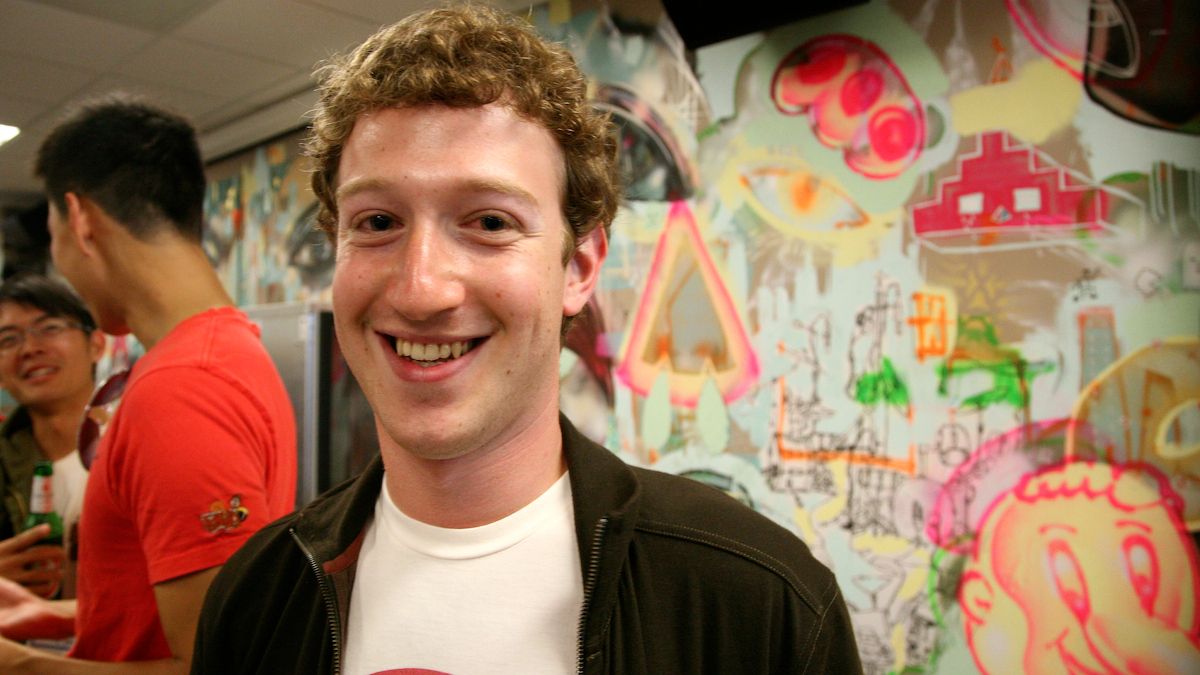
What the Internet Was Like in 2007
The iPhone and Android both launch in 2007. But it is still a desktop web — social networking sites like Facebook, Twitter and Tumblr keep people glued to their computer screens.
-
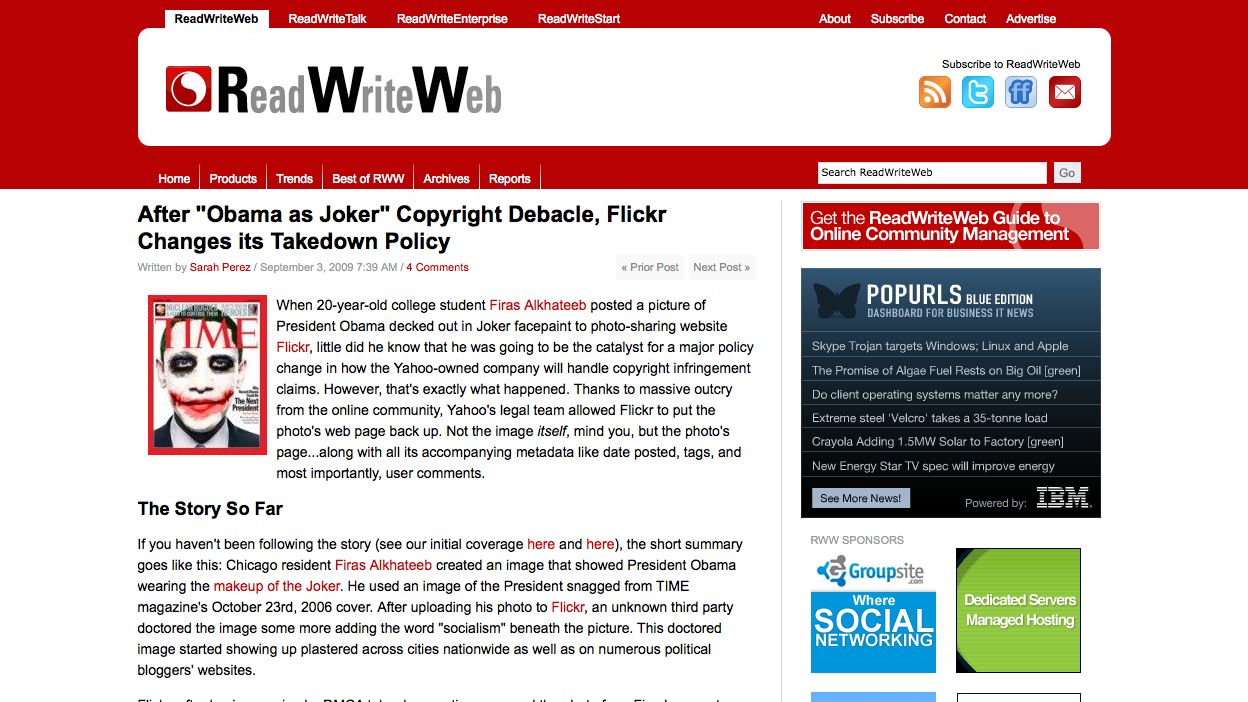
Planning the First ReadWriteWeb Unconference
In July 2009, we begin planning our first in-person event: the ReadWrite Real-Time Web Summit, at the Computer History Museum. Also, my personal life receives a boost — but, it’s complicated.
-
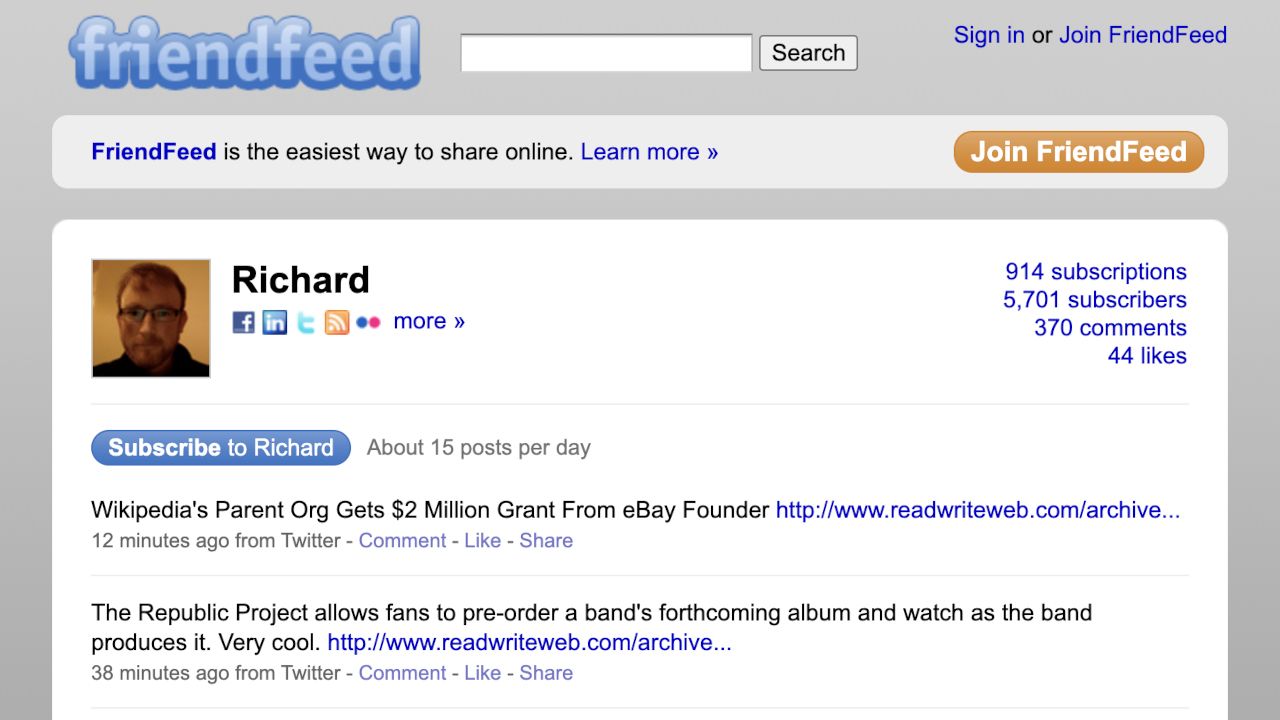
Why 2009 Was When Big Tech Began To Control Web 2.0
It's 2009 and Firefox is being challenged by Google’s new Chrome browser, as Microsoft IE continues its slow decline. Meanwhile, Facebook acquires trendy social software app FriendFeed.
-
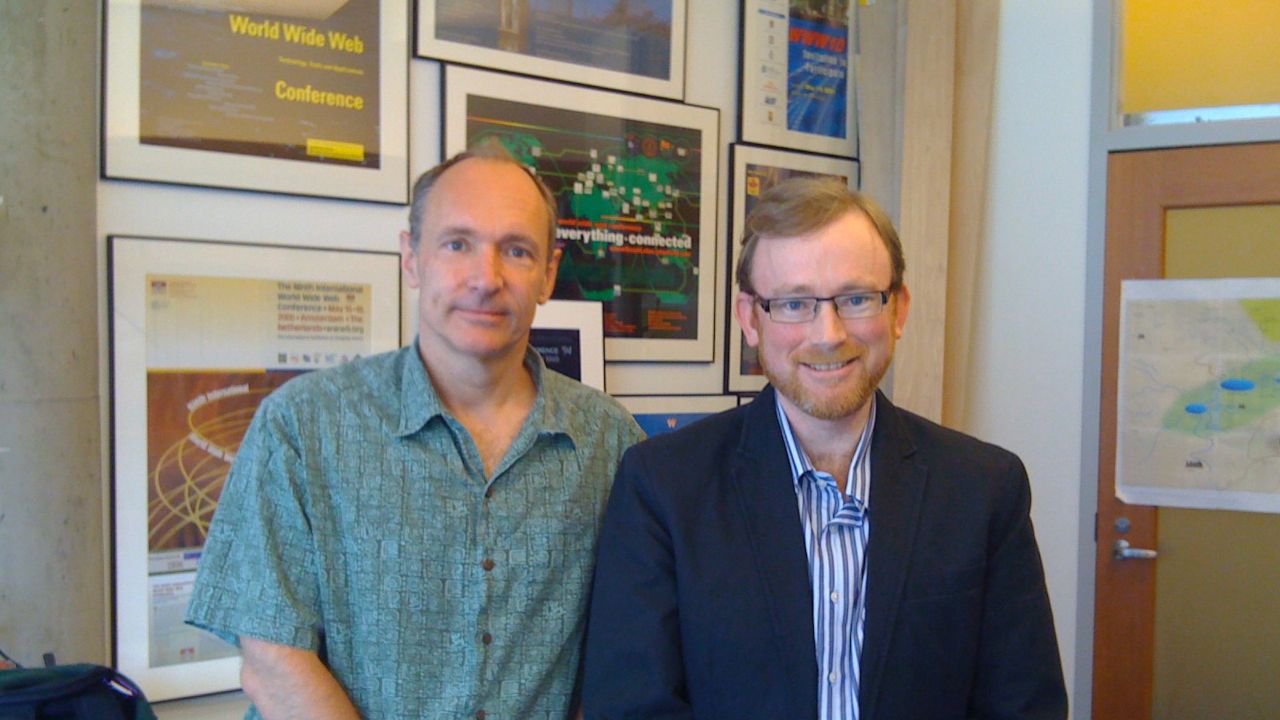
Meeting My Hero, Tim Berners-Lee, at W3C Headquarters
At the end of another oversea trip in mid-2009, I visit MIT in Cambridge to meet the man who created the World Wide Web. Also, I delve deeper into the Semantic Web and Internet of Things.
-
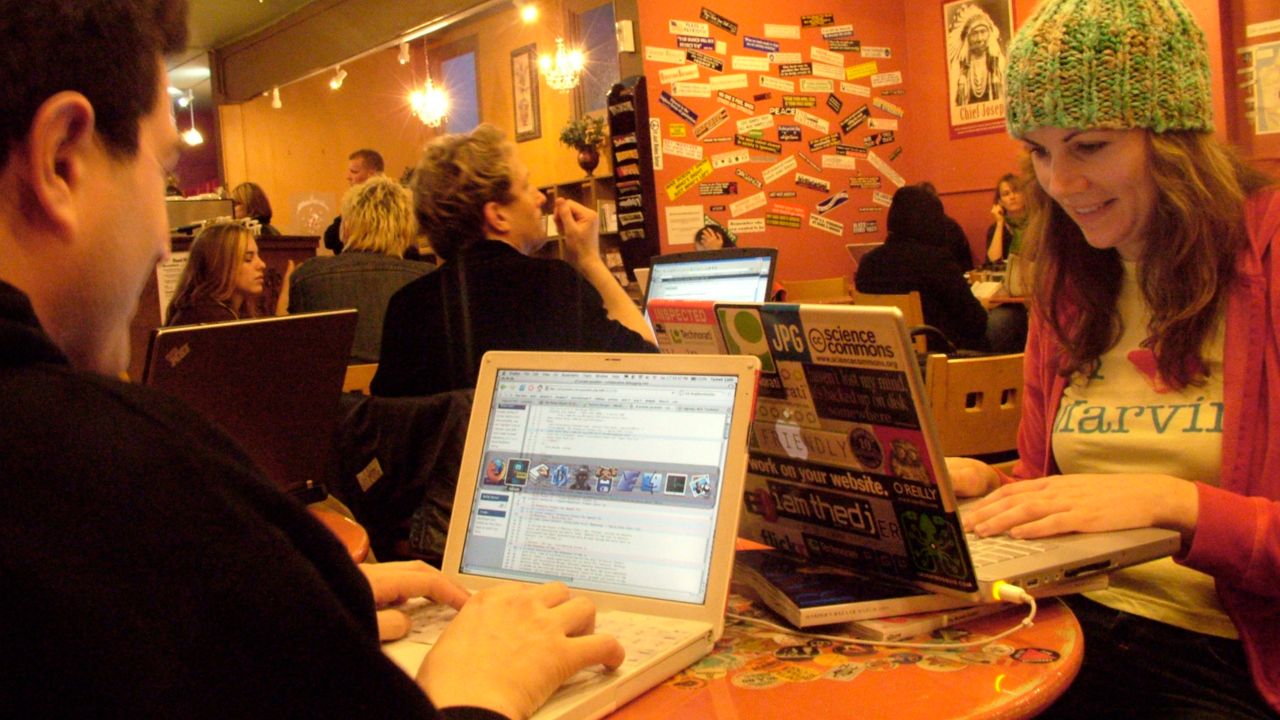
What the Internet Was Like in 2006
In 2006, social networks like Facebook and YouTube ramp up, Twitter is born, Amazon invents cloud computing, web geeks obsess over RSS, and User Generated Content becomes king.


