Season 2
Season 2 of Cybercultural (published mostly over 2021) covers web development history in the 1990s, with a few pre-web history posts.
-

1994: How Perl Became the Foundation of Yahoo
The founding of Yahoo is one of the iconic Silicon Valley business stories. What’s lesser known is the web development story of Yahoo throughout 1994, based on a scripting language called Perl.
-

The Time I Met Bill English, Co-Creator of the Mouse
I interviewed Bill English in May 2014, six years before his death on July 26, 2020, at age 91. English was Doug Engelbart’s right-hand man in the Mother of All Demos in 1968 and helped develop the mouse.
-
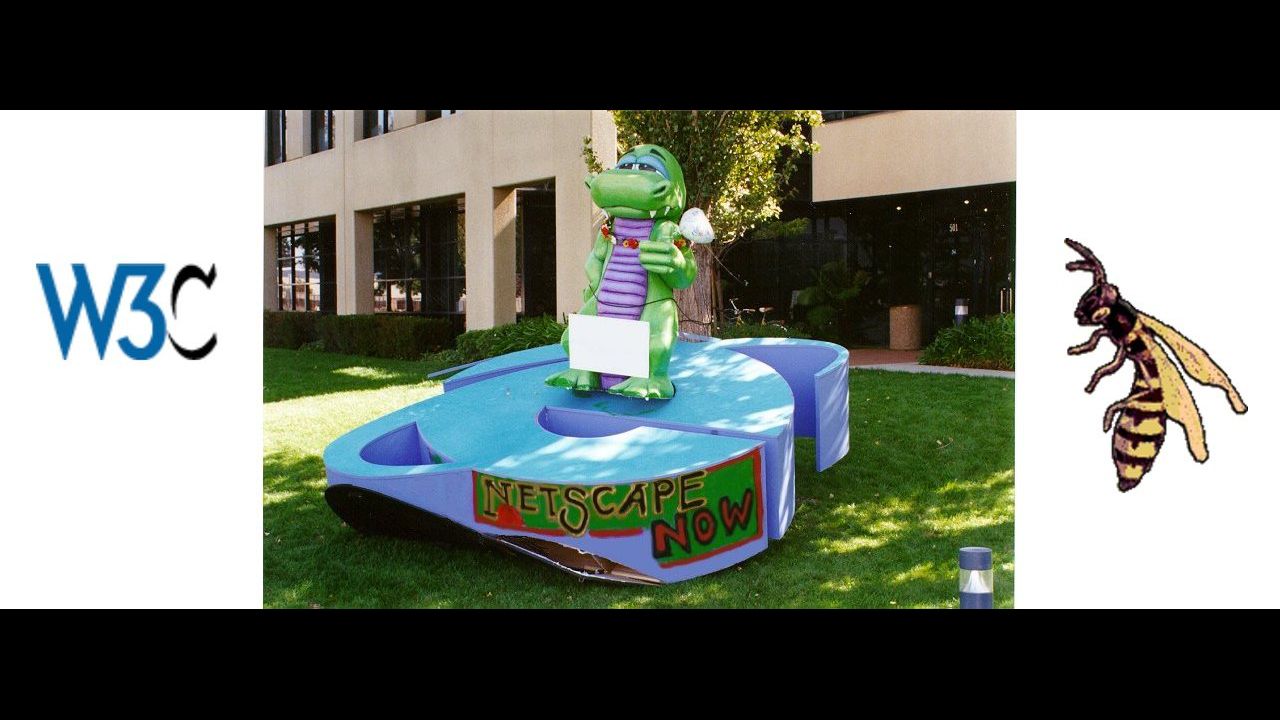
1998: The Open Web With Mozilla, W3C’s DOM, and WaSP
1998 is the year the web starts to open up. It's when projects like Mozilla and organizations like the W3C and The Web Standards Project begin to steer the web towards a more equitable future.
-
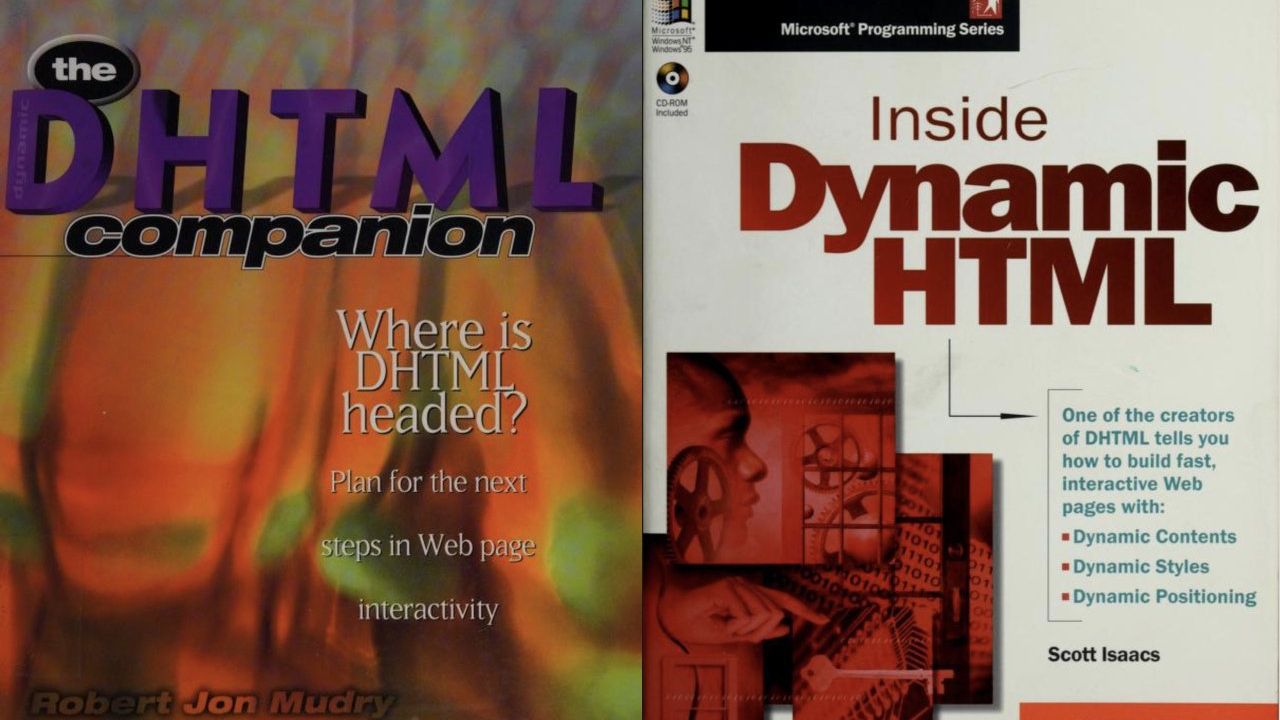
1997: The Year of DHTML
DHTML, or Dynamic HTML, is essentially a combination of HTML, JavaScript, the newly released CSS standard, and an emerging web programming model called the DOM (Document Object Model).
-
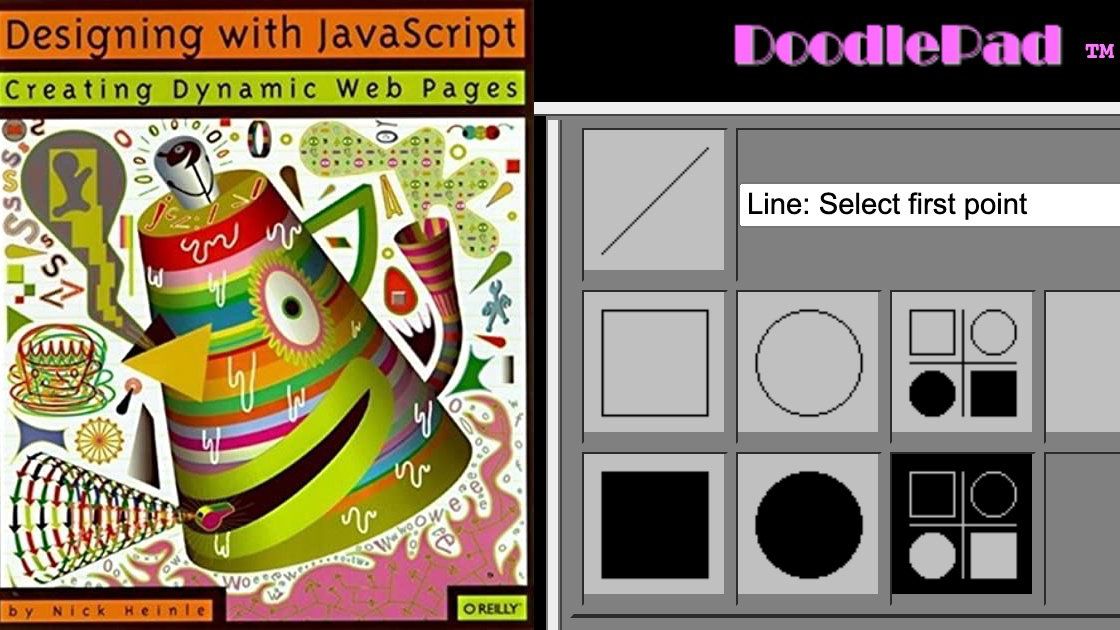
1997: JavaScript Grows Up, Developers Push Boundaries
Pointy-headed technical analysis of JavaScript is not what is required in 1997. Developers of this era need practical guidance and code samples. Also, Brendan Eich moves on from Netscape.
-
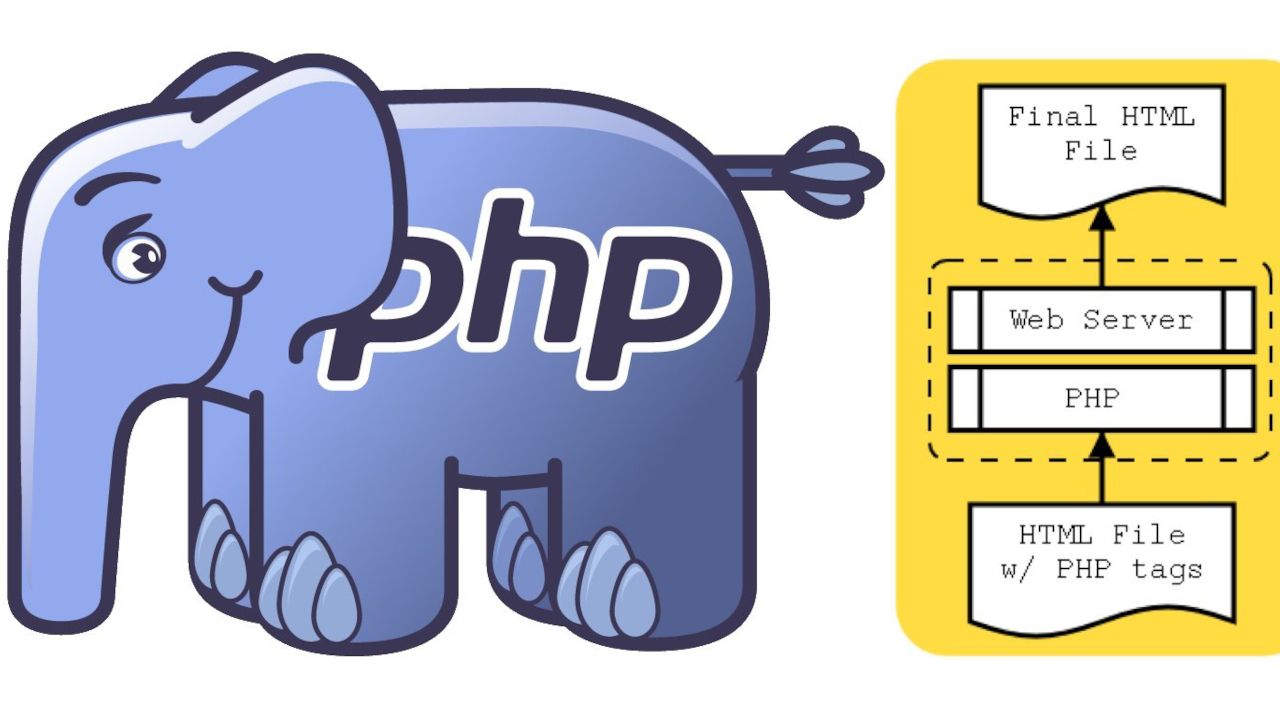
1995: PHP Launches As Server-Side CGI Scripts Toolset
In mid-1995, a toolset called Personal Home Page Tools (PHP Tools) launches — and hardly anyone notices. PHP isn’t a scripting language at this point, but it will eventually become one.
-

1993: CGI Scripts and Early Server-Side Web Programming
The Common Gateway Interface (CGI) in 1993 is the start of web applications. On the early Web, it typically takes the form of Perl scripts for features like contact forms and guest books.
-
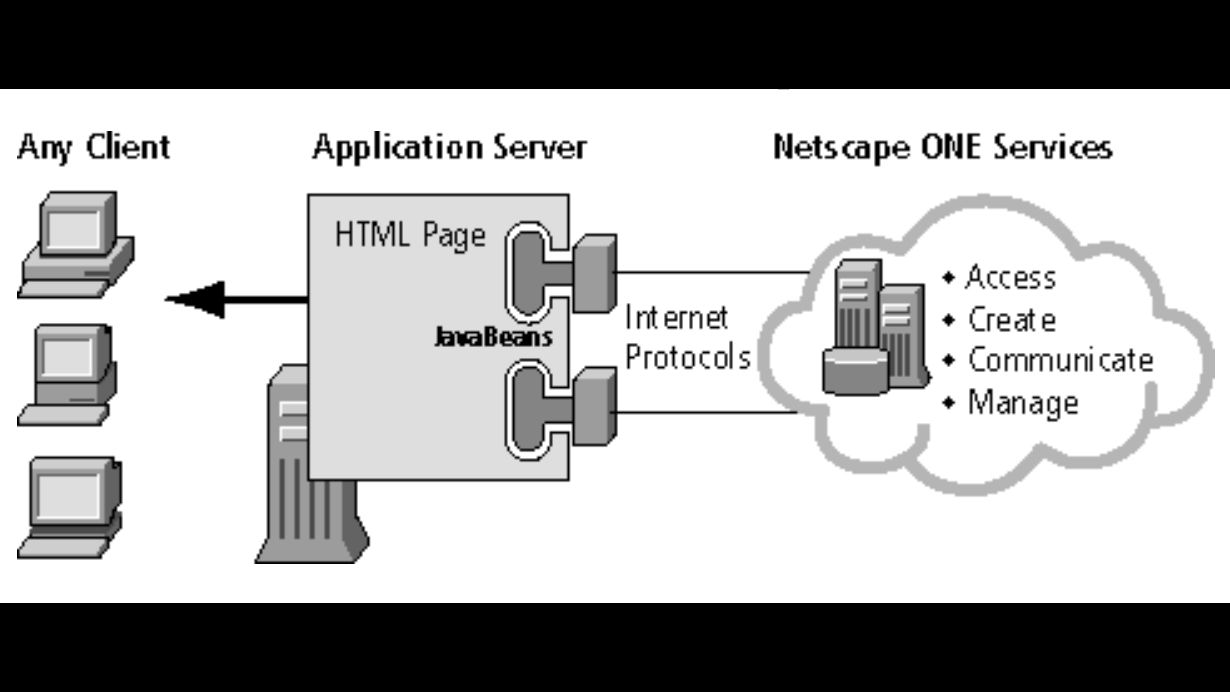
1997: Netscape Crossware vs. the Windows Web
After Microsoft upped the ante in the browser market in 1996 by integrating Internet Explorer 3.0 into Windows, Netscape begins the new year with a renewed focus on the open web.


