Season 1
Season 1 of Cybercultural (published from 2019 to early-2020) was focused on the intersection of technology with the cultural industries.
-
How Blogs and Newsletters Can Fight Back at Social Media
Social networking built around cultural content: while blogs, Tumblr and email newsletters cannot compete with social media for popular attention, we can build an alternative world with these tools.
-
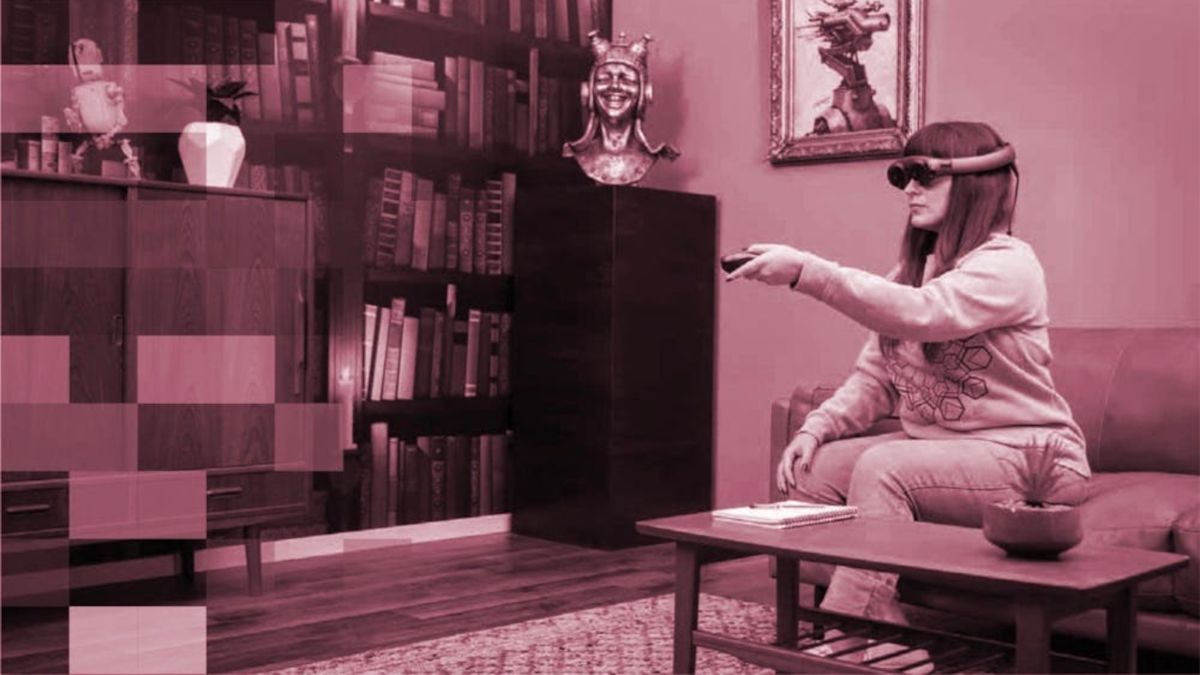
How Interactive Media Fits Into the Cultural Landscape
Online gaming, virtual reality experiences and mixed reality apps — interactive media — are among the fastest growing parts of the digital economy. But are they what we’d traditionally label as 'culture'?
-

Are We Doing Enough To Archive Digital Culture?
I look at the problem of archiving cultural content from magazines, blogs, musicians and video gamers — and why it matters. Our digital culture is valuable, so we must do better to preserve it.
-
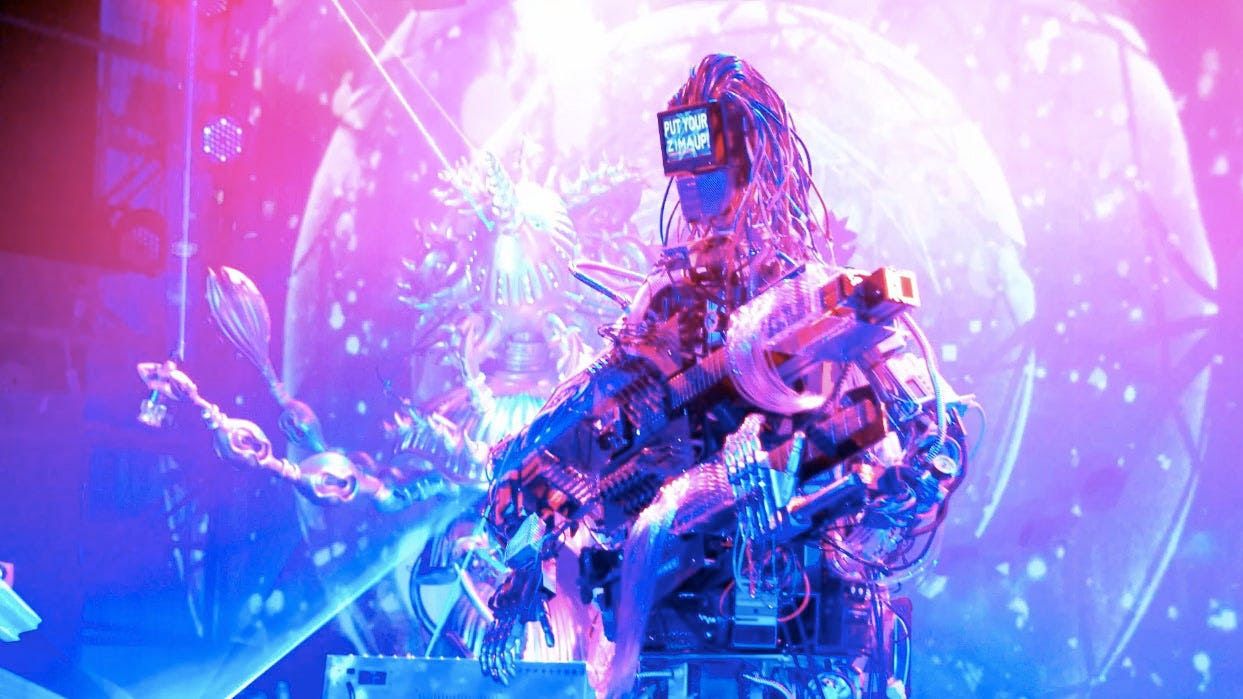
AI in the Cultural Industries: Uses and Limitations
Examining the real-world impact of AI software across the cultural sectors. While sometimes useful, AI music or articles will never replace the added value delivered by human composers and writers.
-

How Photo Sharing Is Impacting the Cultural Industries
Image and video were the primary formats for social media in the 2010s, in large part driven by Instagram’s steep growth throughout the decade and new short video formats like 'Stories'.
-
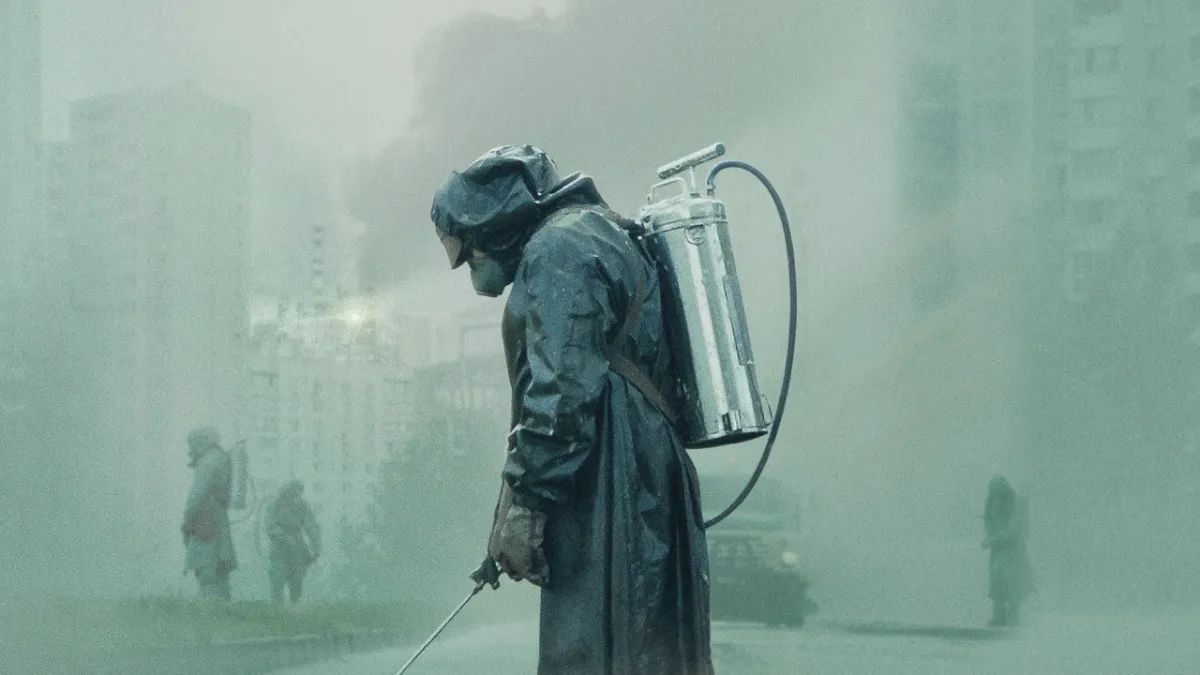
The Chernobyl Podcast and the Value of Internet Deep Dives
Listening to The Chernobyl Podcast reminded me that in the digital era of entertainment, enjoying a favorite tv show or movie is about much more than simply watching it.
-

Audiobook Sales Are Surging, While Print and Ebooks Decline
Despite worrying times for print books and ebooks, digital audiobooks in the 2010s have given the book industry reason to be optimistic. The big question is how much more can audiobooks grow.
-
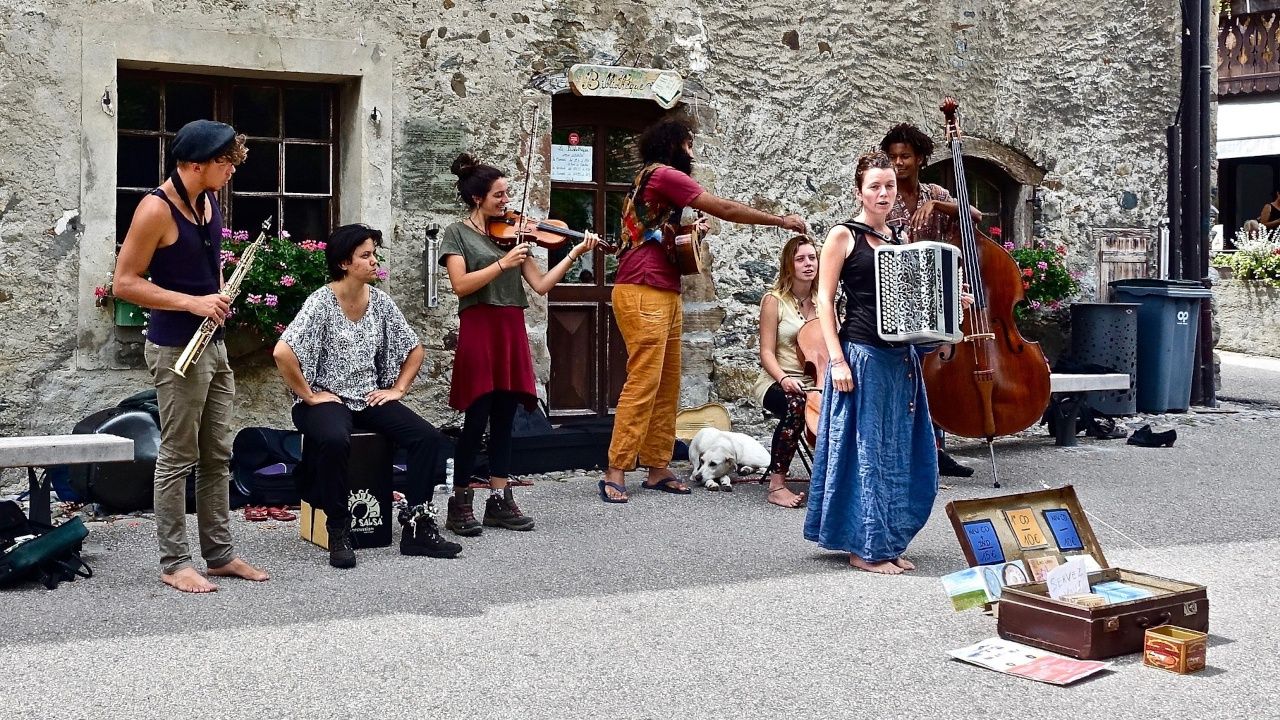
Music Distribution in the Streaming and Social Media Era
The challenge for cultural creators in the 2010s is finding an audience. Here's how musicians use TuneCore, an independent music distributer, and create their own narrative in the Spotify era.


