Notes
These posts aren't necessarily about internet history and are a mix of personal and admin.
-
My 2025 Indie Web Report and Thoughts on the Open Web
How my independent website, Cybercultural, has fared during 2025 — a year when AI summaries whittled away search referral traffic and social media continued its war against hyperlinks.
-

Replanting Articles: Bring Legacy Posts to Your Website
Old articles and blog posts too often get removed from the web or neglected, left to rot on broken pages. Replanting lets you migrate legacy content to your current site so it can thrive again.
-

Seasons: A Fine Way To Structure a Website or Blog in 2025
Borrowing a concept from podcasting, I'm introducing 'seasons' of content on Cybercultural. From season 1 in 2019, when I began this as a newsletter, to the current season 4 focused on dot-com.
-
My Web Values: Why I Quit X and Feed the Fediverse Instead
I stopped posting on Twitter, now known as X, in November 2023. X isn't open, it throttles distribution, and devalues links. Simply put, it doesn't align with my values as a supporter of the open web.
-
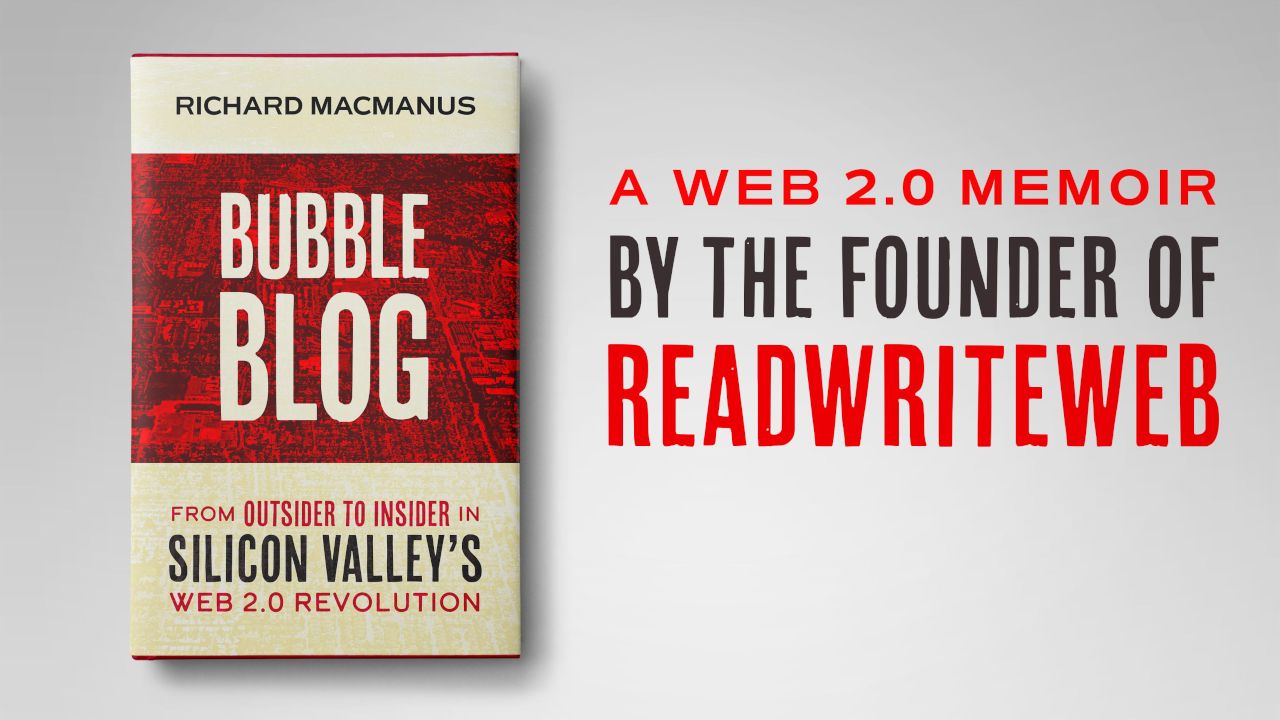
Serializing a Book Online: Lessons From My Web 2.0 Memoir
On the first anniversary of launching my serialized book, I reflect on what I've learned — including the pros and cons (mostly pros) of my pivot from Substack newsletter to indie website.
-
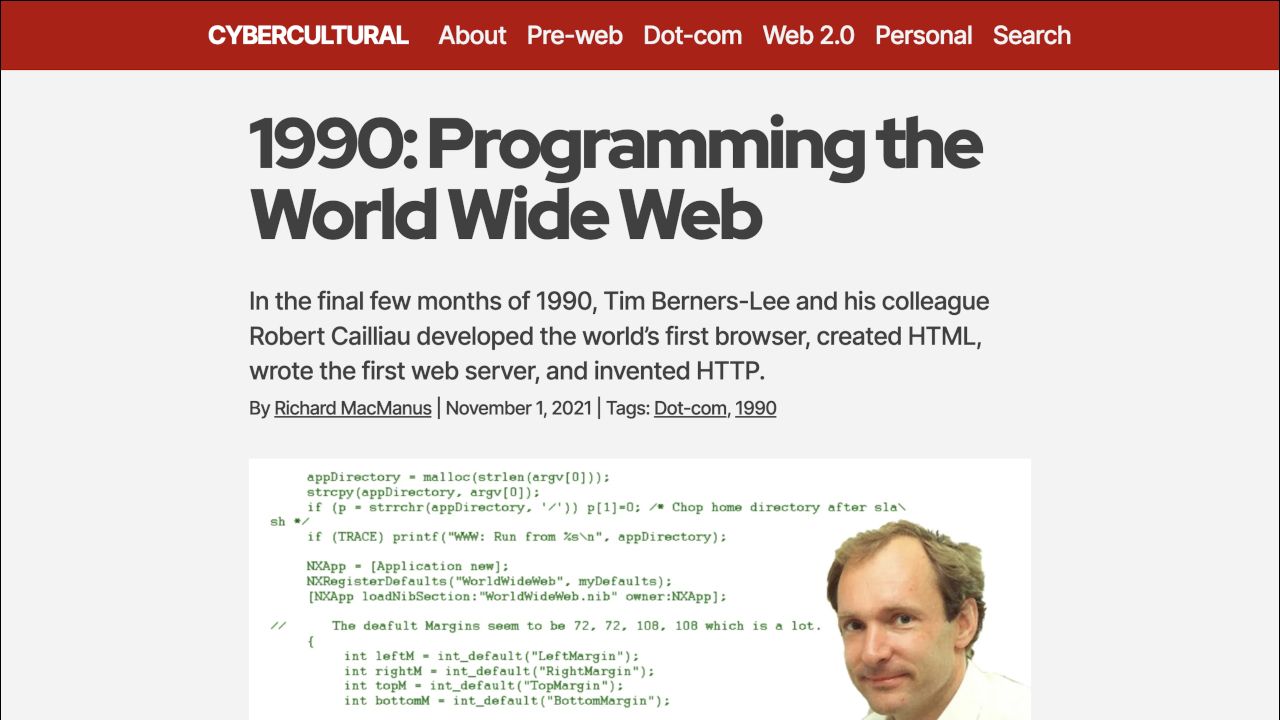
Cybercultural Redesign and Adding WDH Content
Details of a redesign here at Cybercultural, including upgrading to Eleventy v3.0. Also, my previous blog Web Development History has been folded into Cybercultural — adding more dot-com articles.
-
On Selling Your Website — It's OK to Be a Lifestyle Business
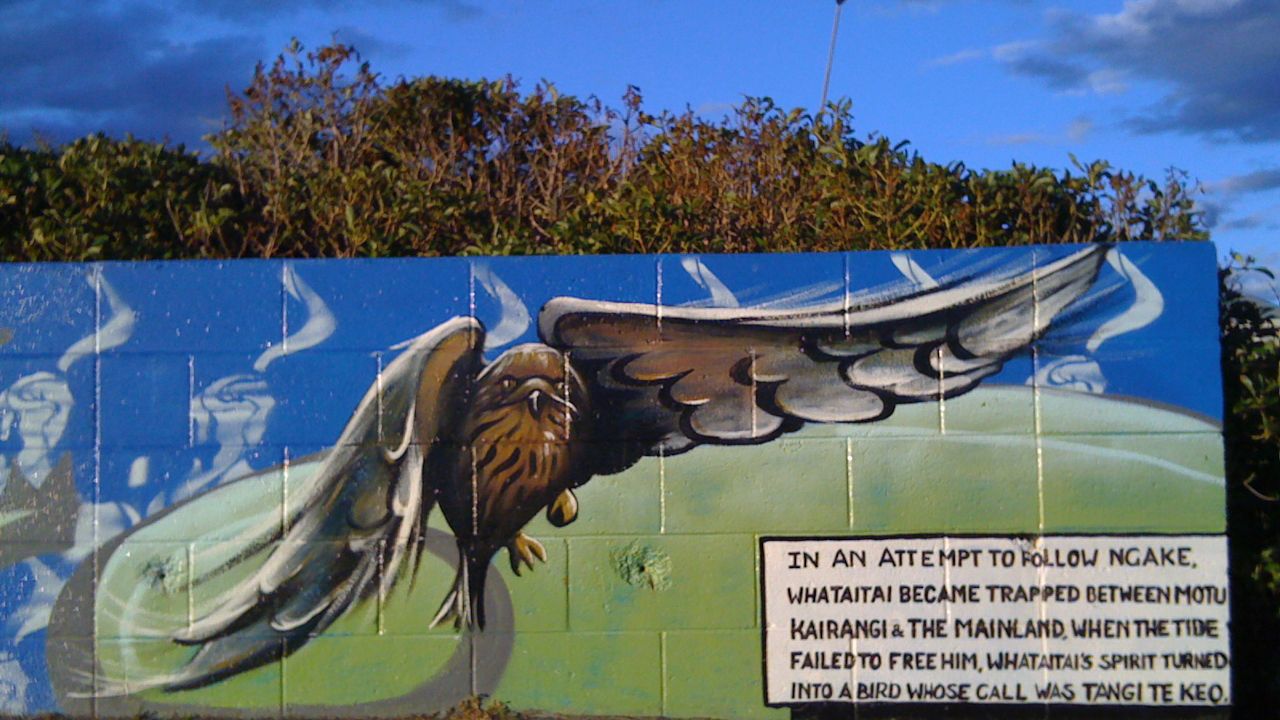
Thoughts on whether I should've sold ReadWriteWeb when I did, given what happened to the site over the next decade. In hindsight, running it as a lifestyle business would've been a viable option too.
-
Preserving Media: A Visit to the Physical Internet Archive
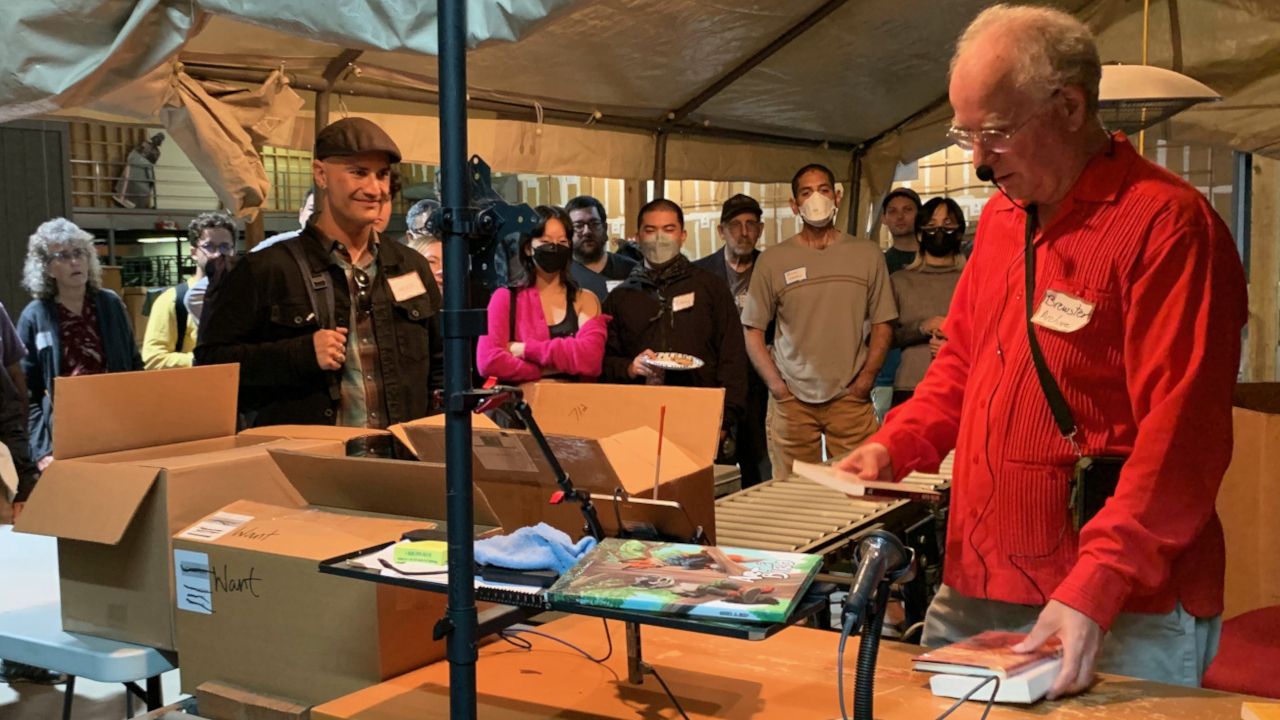
In a behind-the-scenes tour of the Internet Archive, founder Brewster Kahle explains how it preserves both digital and physical media — everything from books to websites to 78 RPM records.


