Dot-com
Internet history during the dot-com era, from the 1990s through to the first few years of the 2000s.
Note: some of these articles were migrated from my previous website, Web Development History (WDH), which was active during 2021. Check the timeline for a chronological list of WDH posts.
-
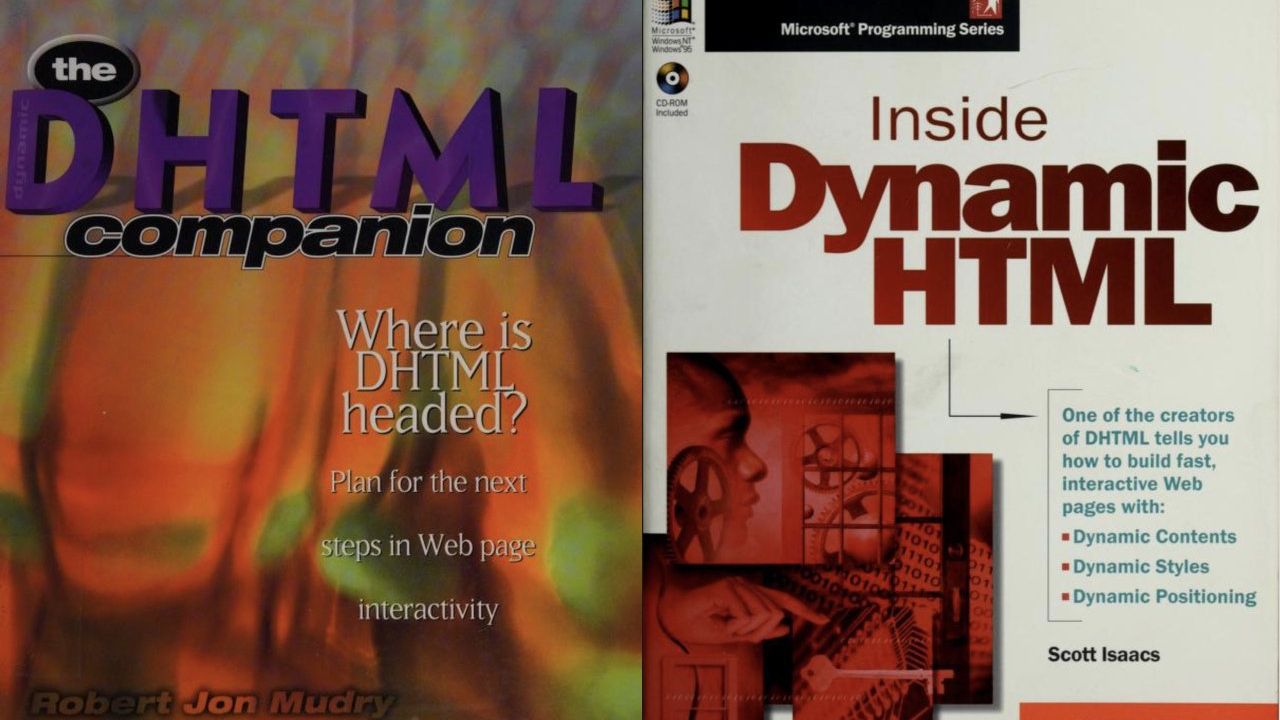
1997: The Year of DHTML
DHTML, or Dynamic HTML, is essentially a combination of HTML, JavaScript, the newly released CSS standard, and an emerging web programming model called the DOM (Document Object Model).
-
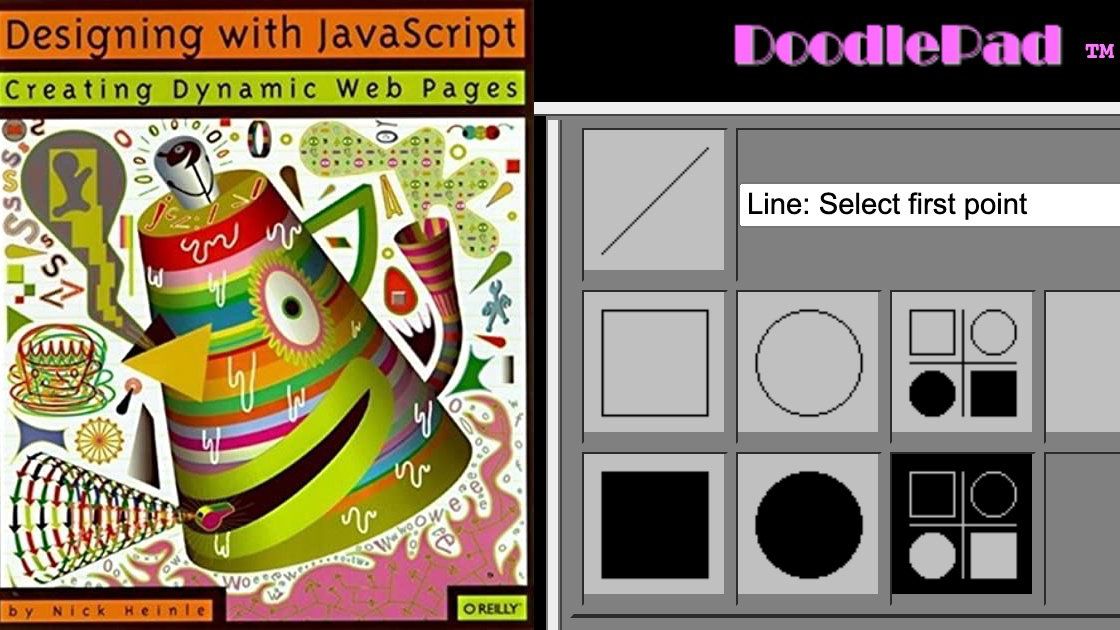
1997: JavaScript Grows Up, Developers Push Boundaries
Pointy-headed technical analysis of JavaScript is not what is required in 1997. Developers of this era need practical guidance and code samples. Also, Brendan Eich moves on from Netscape.
-
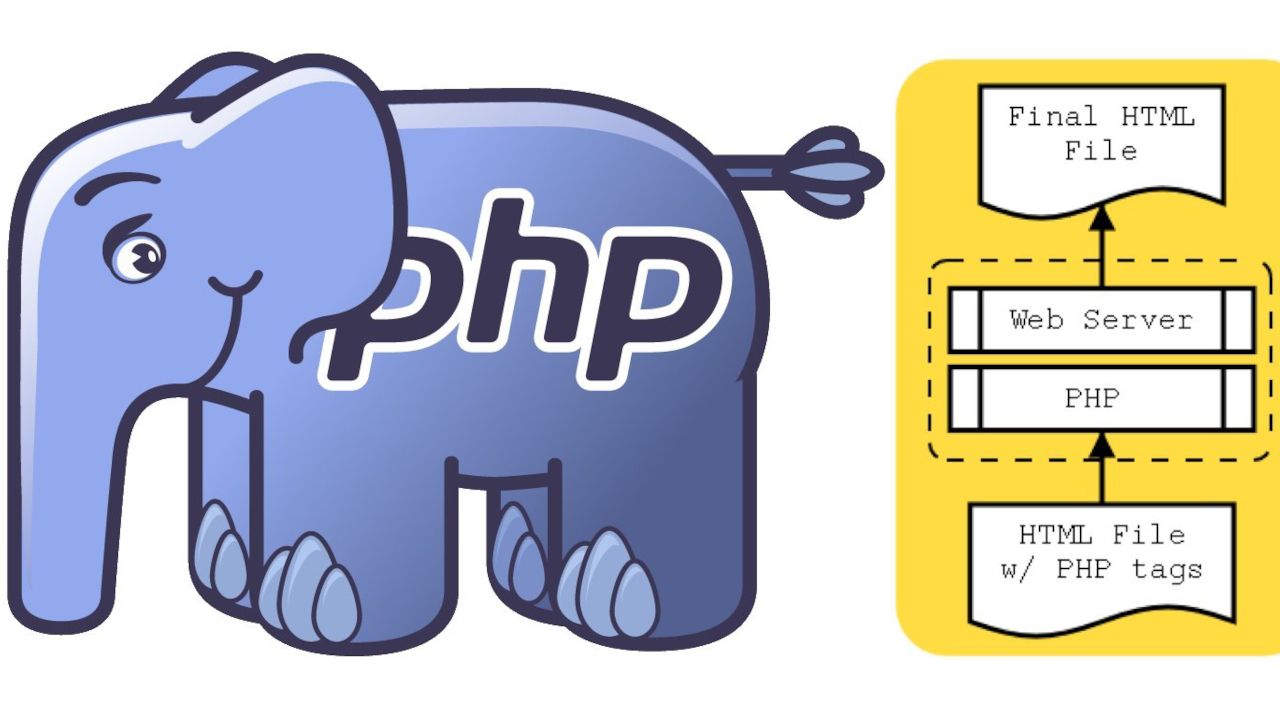
1995: PHP Launches As Server-Side CGI Scripts Toolset
In mid-1995, a toolset called Personal Home Page Tools (PHP Tools) launches — and hardly anyone notices. PHP isn’t a scripting language at this point, but it will eventually become one.
-

1993: CGI Scripts and Early Server-Side Web Programming
The Common Gateway Interface (CGI) in 1993 is the start of web applications. On the early Web, it typically takes the form of Perl scripts for features like contact forms and guest books.
-
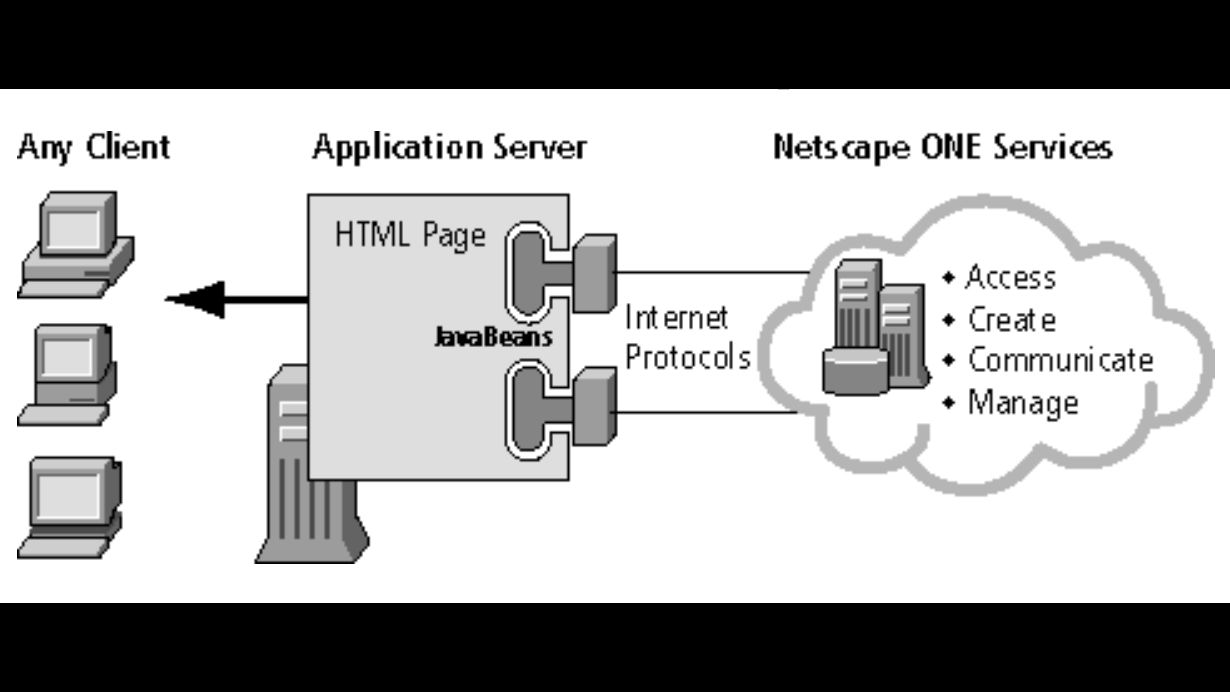
1997: Netscape Crossware vs. the Windows Web
After Microsoft upped the ante in the browser market in 1996 by integrating Internet Explorer 3.0 into Windows, Netscape begins the new year with a renewed focus on the open web.
-
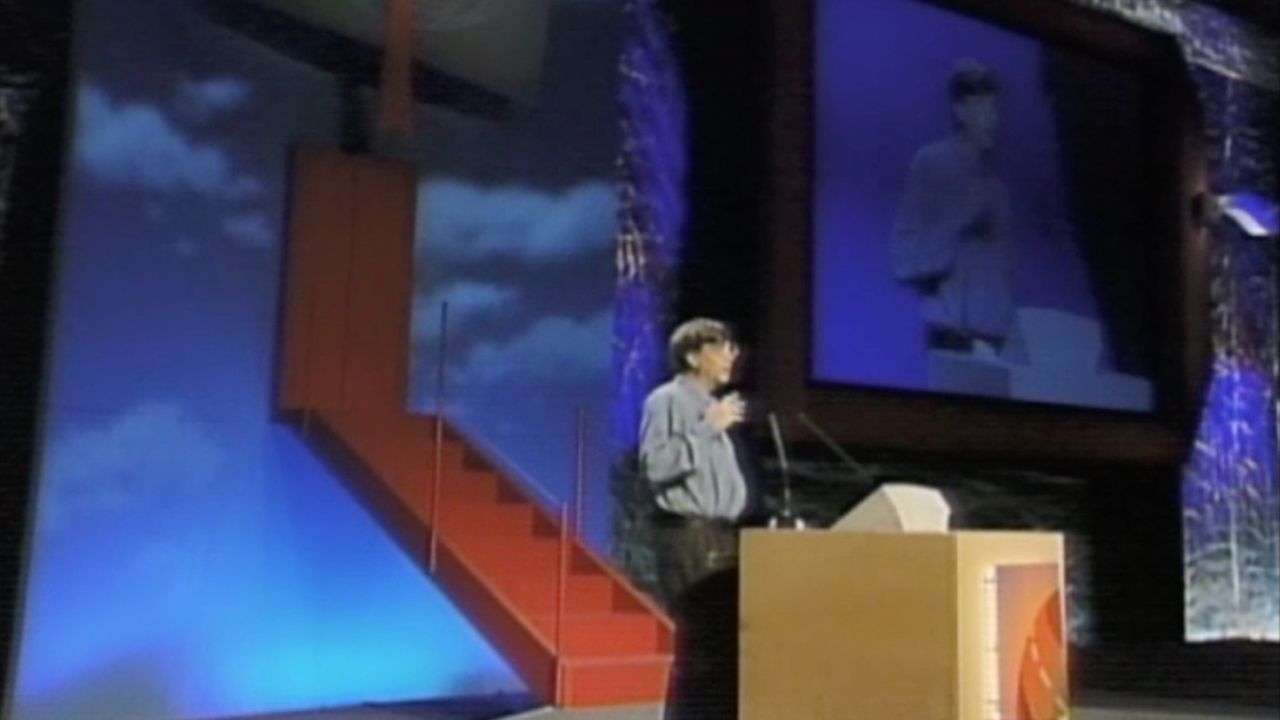
1996: Microsoft Activates the Internet With ActiveX, JScript
In March 1996, Bill Gates announces a set of internet technologies called ActiveX. It is the moment web companies had feared — Microsoft is embedding the Internet into its Windows OS.
-
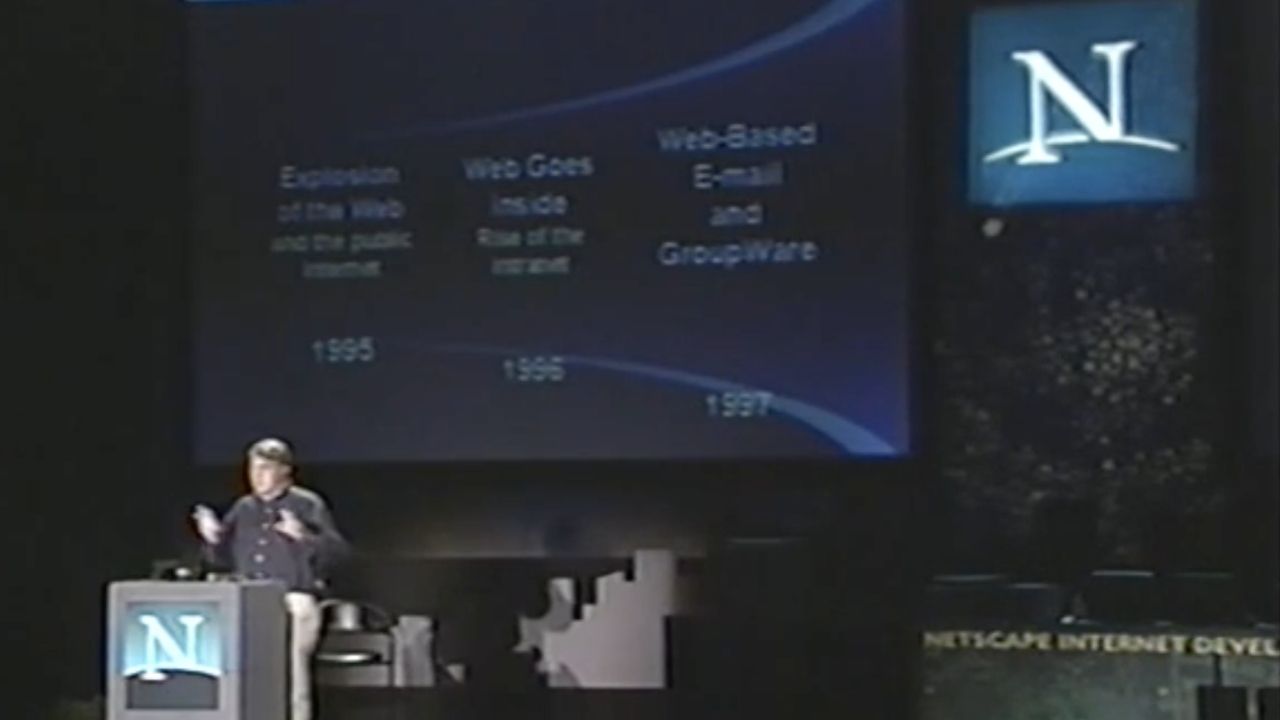
1996: Netscape Lays the Groundwork for Web Applications
Netscape Navigator 3.0 is a 'universal client' to help expand what HTML can do. But Netscape is also looking to broaden its product offering with a suite of tools it calls Netscape Communicator.
-

1996: JavaScript Annoyances and Meeting the DOM
Other than homepages sprinkled with little animations, scrolling text, and embedded digital clocks, adventurous corporate webmasters begin to experiment with JavaScript in early 1996.


