Dot-com
Internet history during the dot-com era, from the 1990s through to the first few years of the 2000s.
Note: some of these articles were migrated from my previous website, Web Development History (WDH), which was active during 2021. Check the timeline for a chronological list of WDH posts.
-
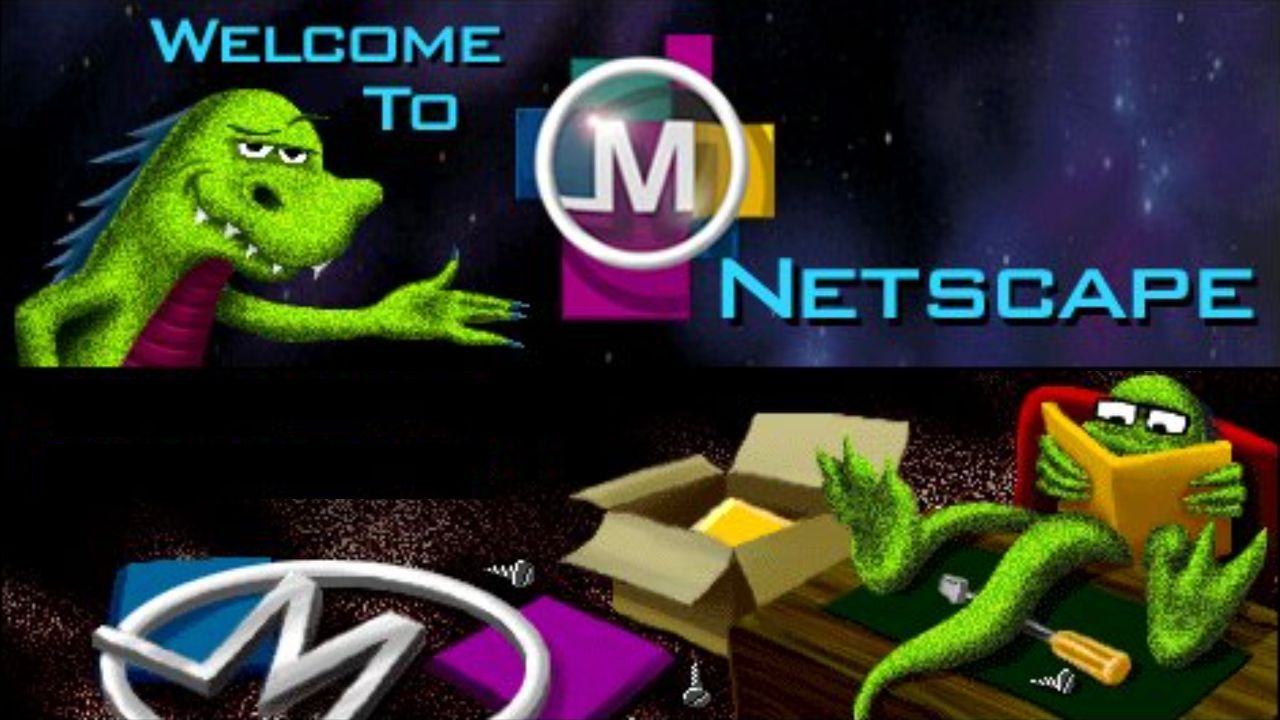
What the Internet Was Like in 1994
In 1994, the World Wide Web becomes the default multimedia channel of the Internet. With the launch of Netscape Navigator and early websites like Yahoo! and HotWired, the Web achieves lift-off.
-
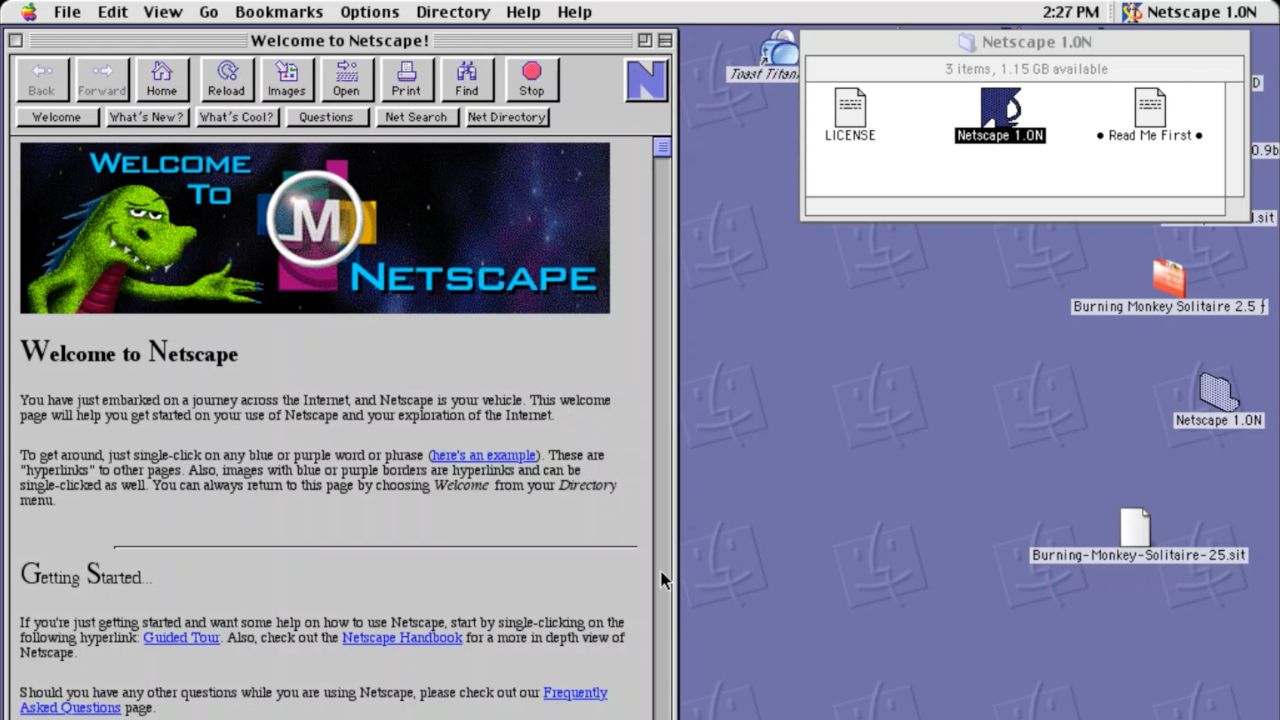
Netscape in 1994: The Rise of the Webuloids
By the time Netscape Navigator is released in December 1994, the World Wide Web is beginning to overcome bandwidth restrictions and live up to its potential as a multimedia portal to the internet.
-
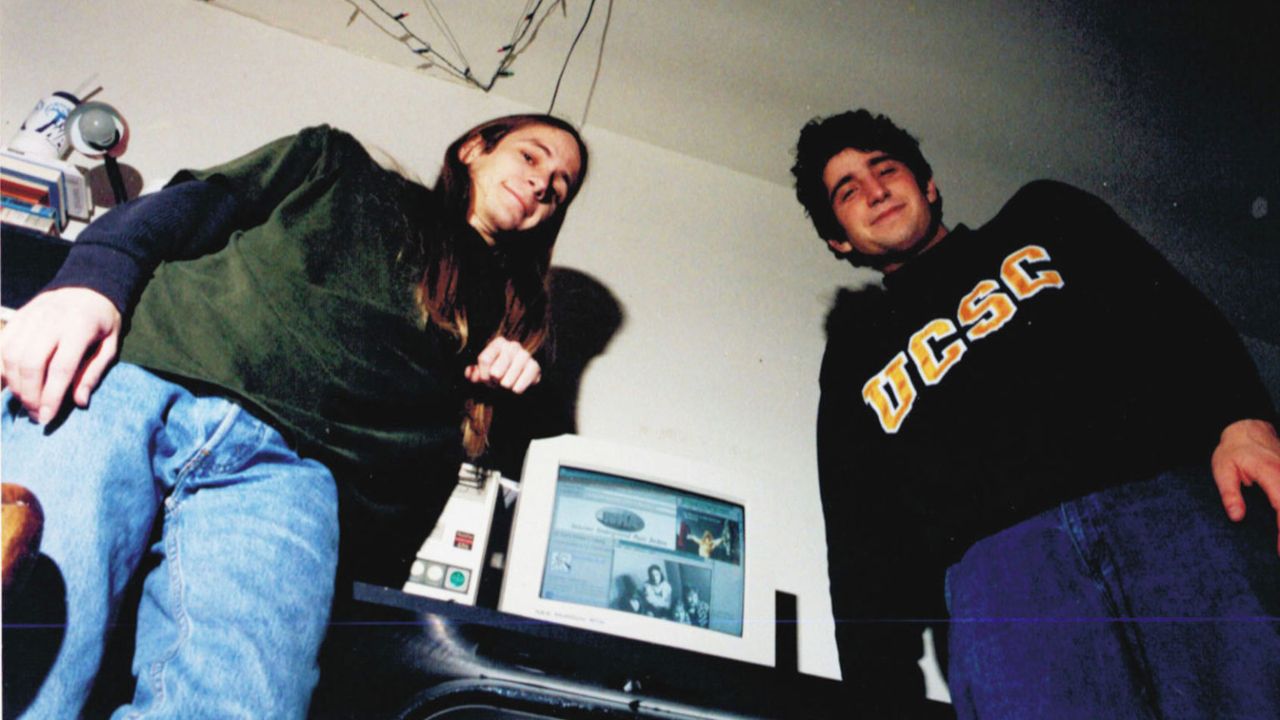
Internet Underground Music Archive in 1994
By early 1994, the Internet Underground Music Archive (IUMA) has migrated from Usenet and Gopher to the emerging internet platform, the World Wide Web. It is one of the first multimedia websites.
-
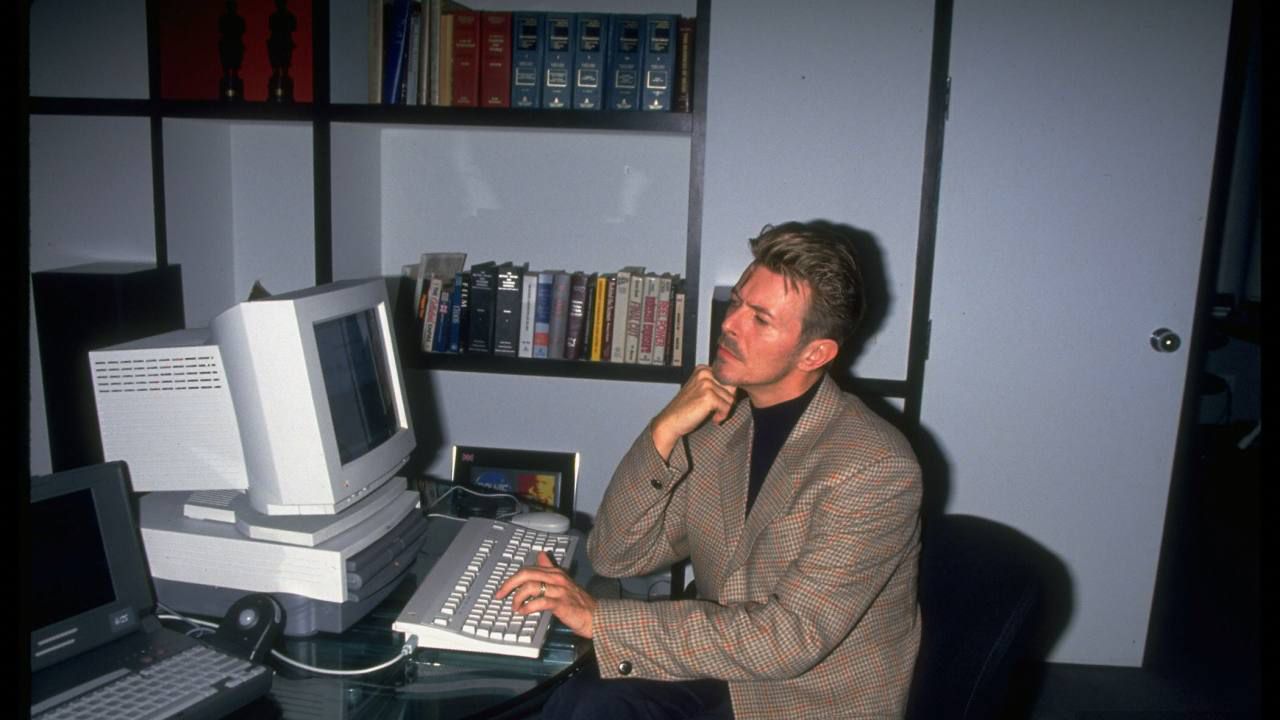
CD-ROMS in 1994: Bowie, Prince, Gabriel, and Cybermania '94
David Bowie, Prince and Peter Gabriel all have interactive CD-ROMs out in 1994, and have plans for further multimedia projects. But by the end of the year, the CD-ROM format is effectively over.
-
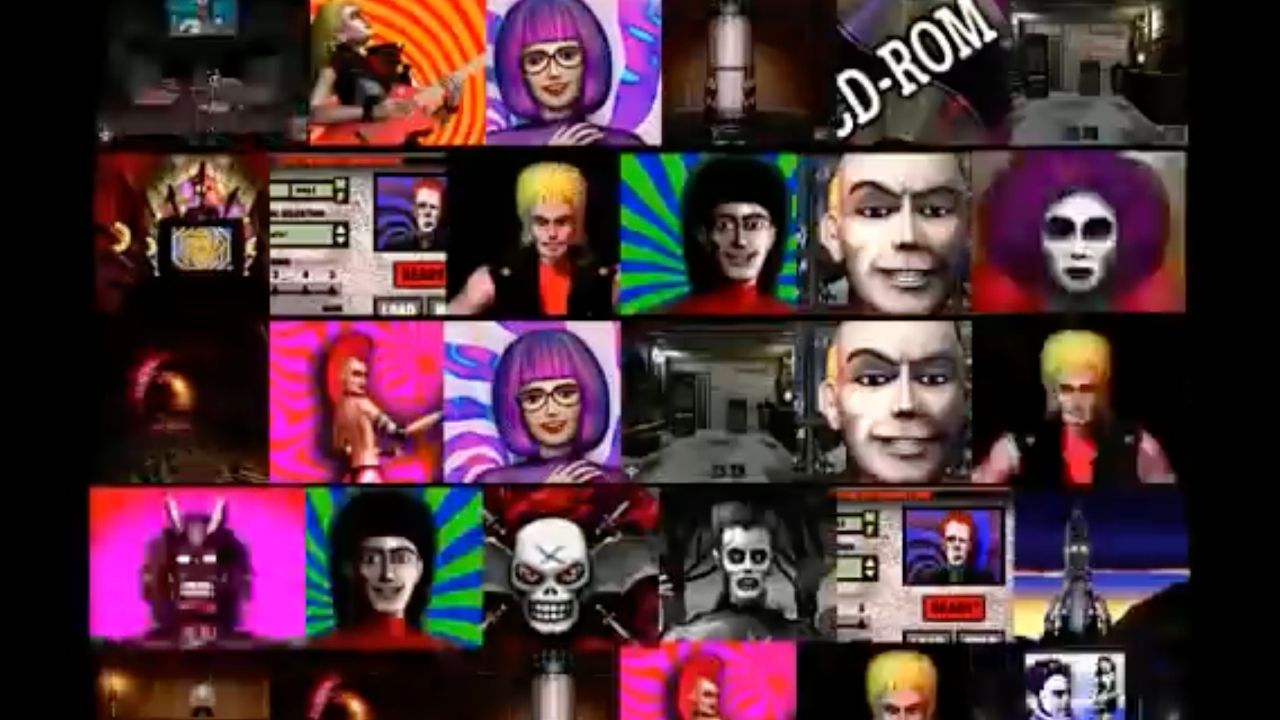
Multimedia Gulch in 1994: The Age of Interactive CD-ROMs
Multimedia Gulch is a trendy neighbourhood in San Francisco in the 1990s, home to wannabe rock stars making CD-ROM adventure games. They live fast in a time of slow modems.
-
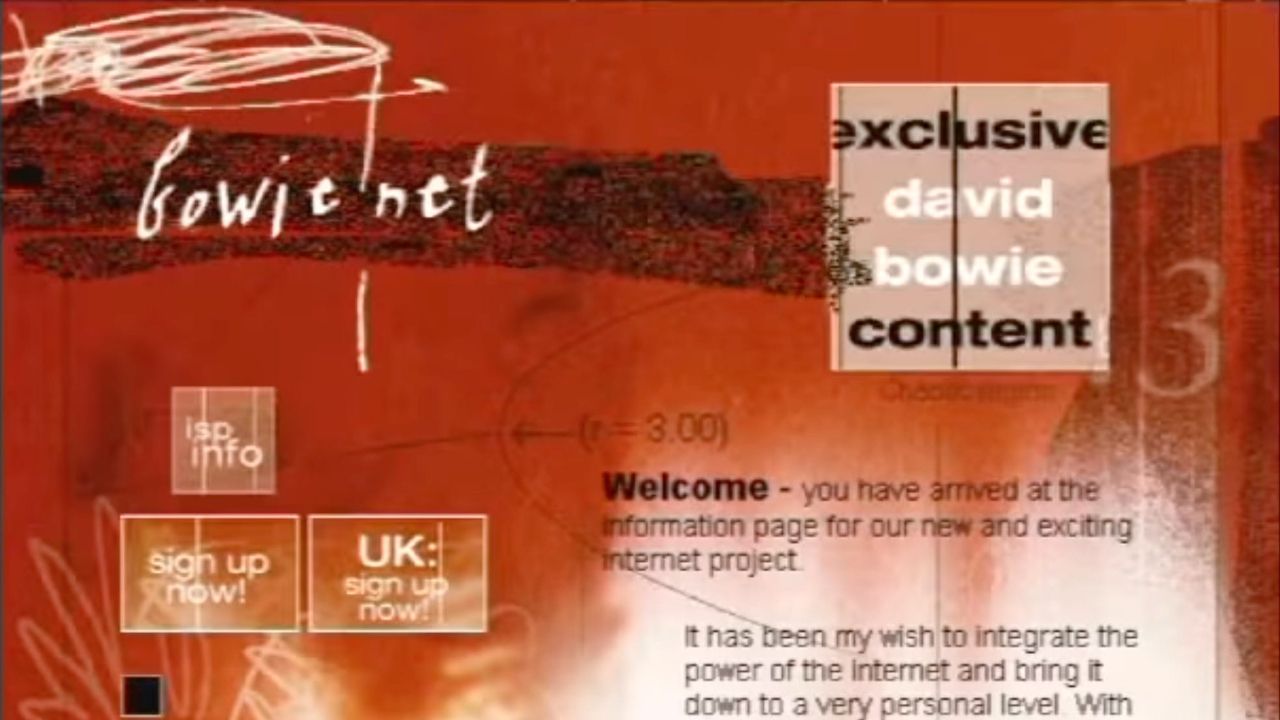
BowieNet: The Inside Story of Its Creation
Part web portal, part Internet Service Provider, part proto-blog — when David Bowie and his web team launch BowieNet in 1998, it is truly revolutionary. Cybercultural interviews one of its creators.
-
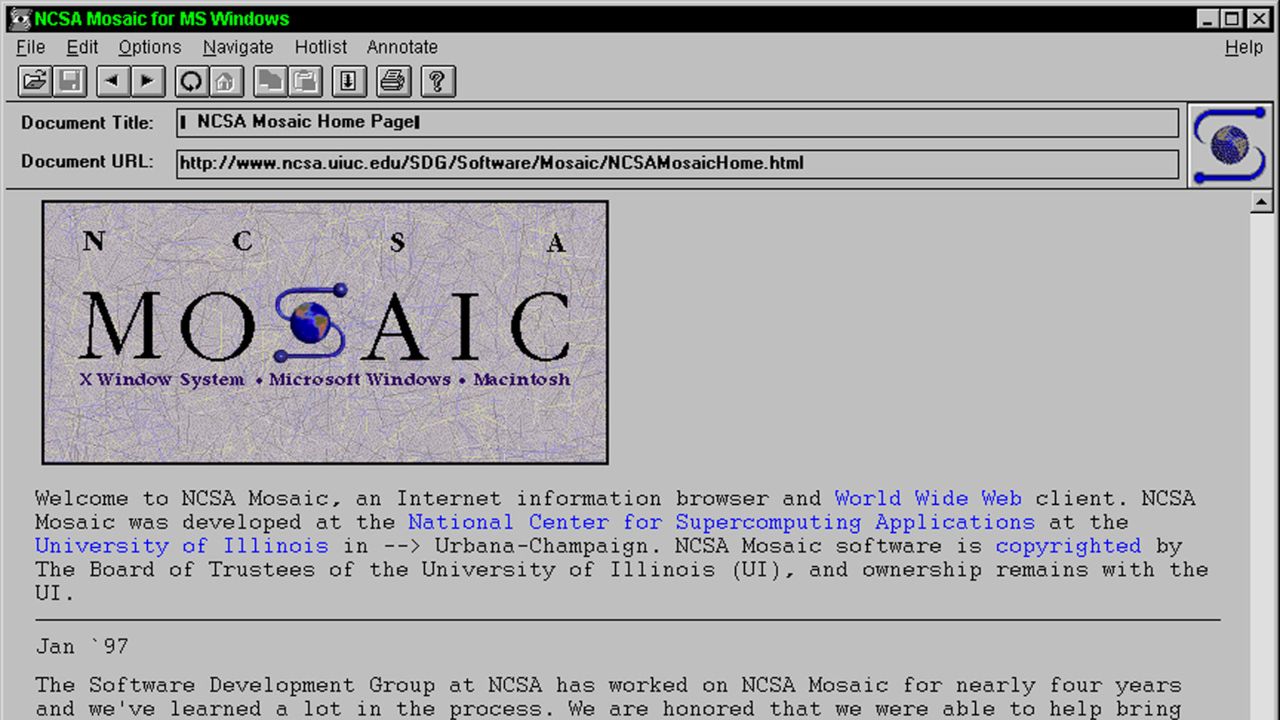
1993: Mosaic Launches and the Web Becomes Open Source
On 21 April 1993, Marc Andreessen announces NCSA Mosaic 1.0, the first version of its multimedia browser. Just over a week later, CERN gifts the World Wide Web to the world as open source software.
-
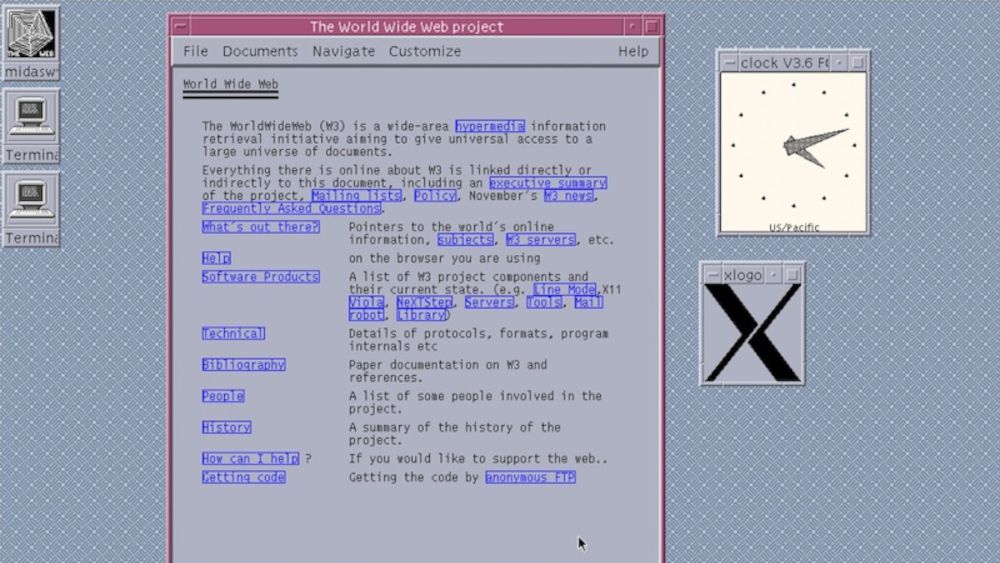
1992: The Web vs Gopher, and the First External Browsers
Three non-CERN web browsers are released over 1992 — Erwise, ViolaWWW and MidasWWW — at a time when there are less than 20 websites in the world. It is a turning point for the young Web.


