Dot-com
Internet history during the dot-com era, from the 1990s through to the first few years of the 2000s.
Note: some of these articles were migrated from my previous website, Web Development History (WDH), which was active during 2021. Check the timeline for a chronological list of WDH posts.
-
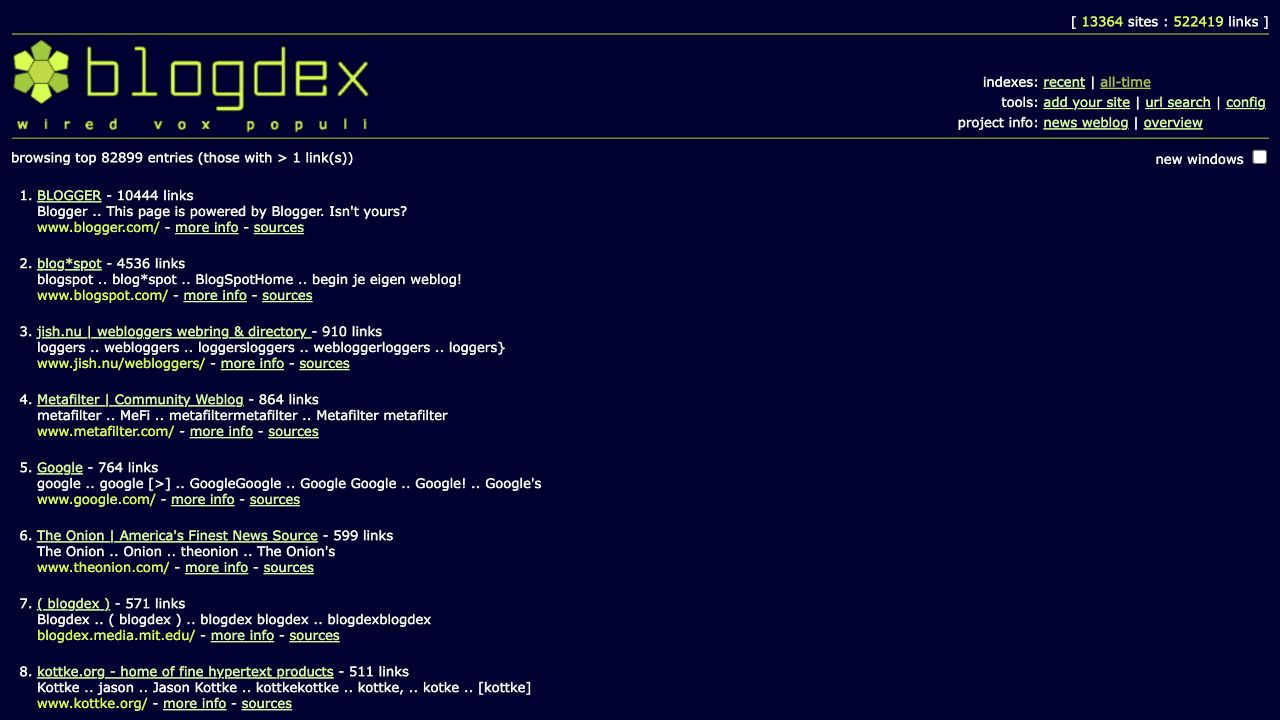
Blogging Gets Serious in 2001 With Warblogs and Movable Type
After September 11, 2001, an influx of warblogs shakes up the blogosphere. It's part of a year-long transition in which blogging shifts from personal journaling to a more journalistic approach.
-

2001: The Internet Gets a Memory With the Wayback Machine
In October 2001, Brewster Kahle demonstrates a new time machine from the Internet Archive called the Wayback Machine. It will become a vital link between the Web's past and its present.
-

2001: Steve Jobs Launches iTunes and Apple’s Digital Hub
With the announcement of iTunes in January 2001, Apple CEO Steve Jobs ushers in the legal digital music era. It also marks the beginning of Apple's renaissance as a Silicon Valley pioneer.
-

What the Internet Was Like in 2000
In 2000, Flash websites proliferate, blogging expands, social news sites like Slashdot gain influence — all of this while the dot-com bubble slowly deflates and Napster dominates headlines.
-
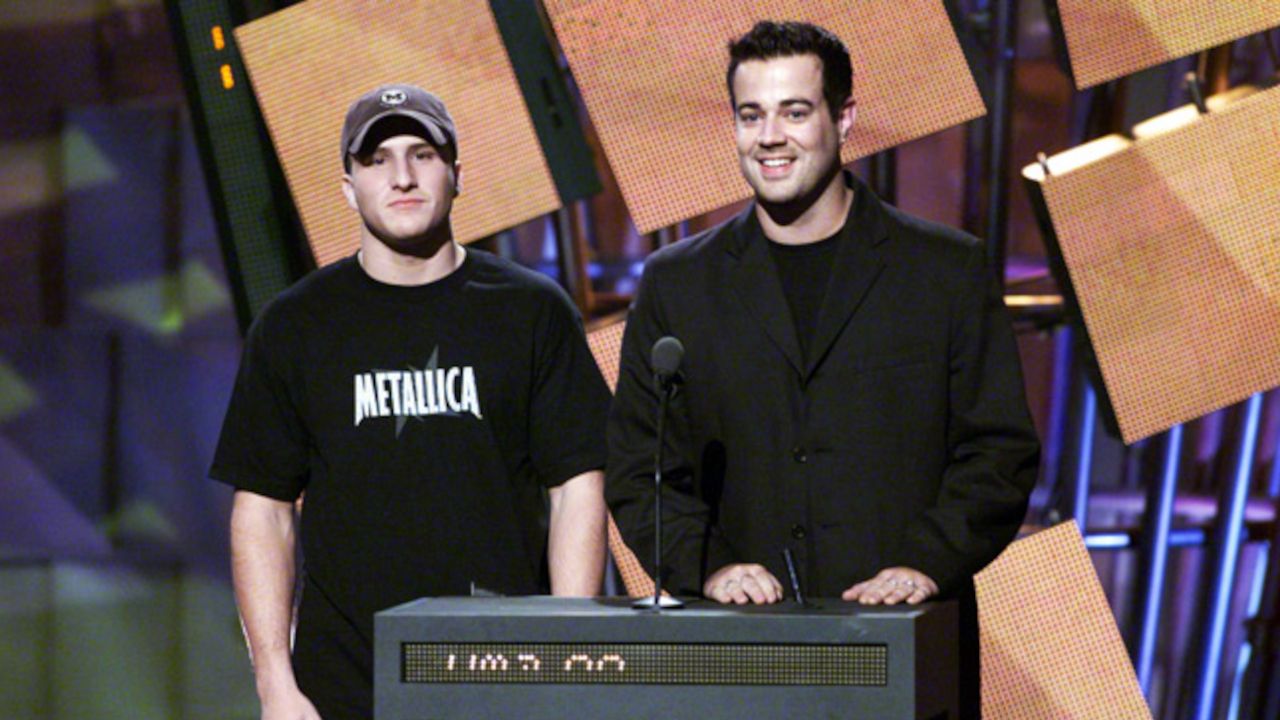
2000: The Napster Monster and Apple’s Heavenly Jukebox
Napster's legal woes intensify in 2000, even as creator Shawn Fanning is celebrated on MTV and on magazine covers. Meanwhile, Apple acquires a startup called SoundJam and turns it into iTunes.
-
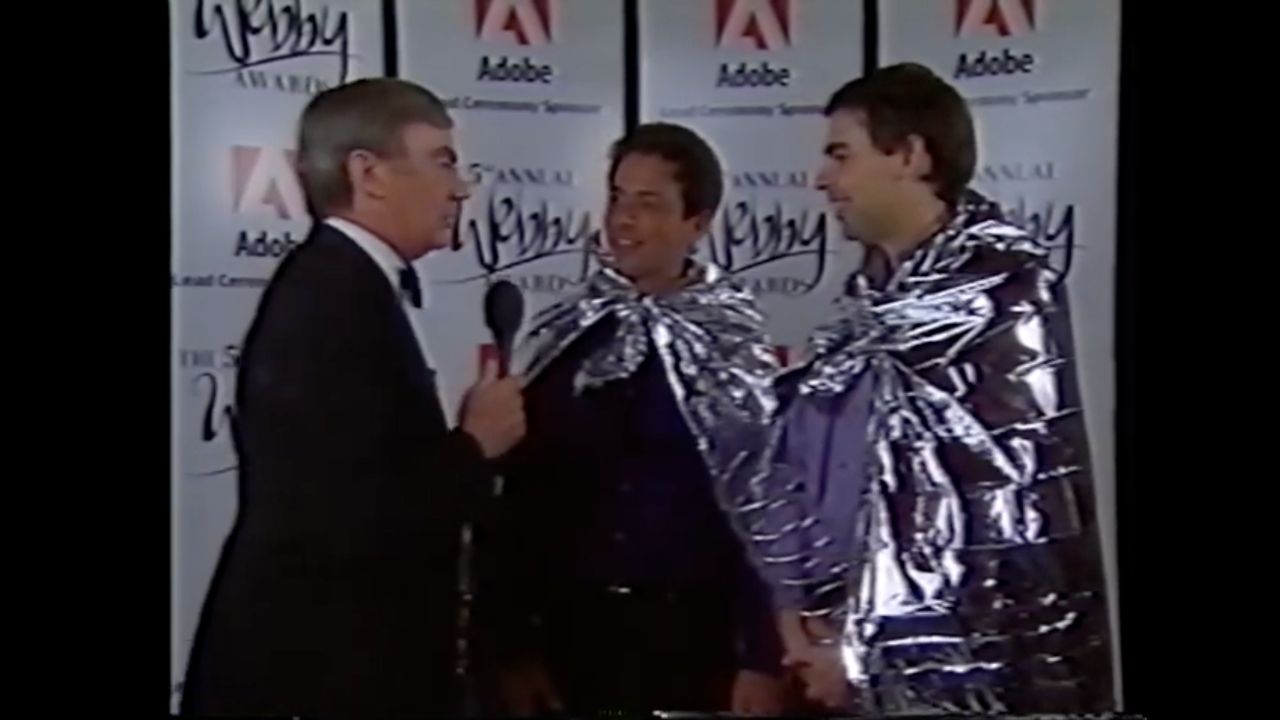
Social Karma in 2000 With Slashdot and BowieNet Version 2.0
By 2000, Slashdot's pioneering karma system is helping other online communities — like BowieNet — moderate user contributed content. Meanwhile, Google and Amazon enjoy good karma over 2000.
-

2000: Bloggers Make Friends, but RSS Format Wars Kick Off
In 2000, the blogroll becomes a trend as bloggers increasingly link to each other. Meanwhile, RSS bifurcates into two opposing formats: Dave Winer's RSS 0.92 and the RDF-based RSS 1.0.
-

The Dot-Com Crash of 2000 and Marc Andreessen’s Act 2
The AOL-Time Warner merger in January 2000 triggers a slow deflation of the dot-com bubble, starting in March. Meanwhile, the Web's golden boy Marc Andreessen returns with a new startup.


